
- Home/
- Buy Propecia in Online Pharmacy United Kingdom – Fast UK Delivery
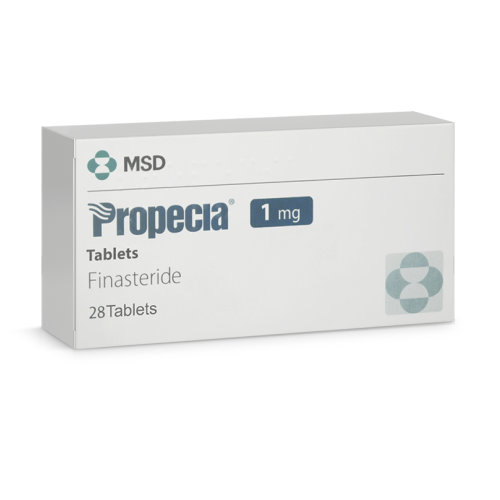
| Trade name | Propecia |
|---|---|
| Main active substance | Finasteride |
| Treatment focus | Male pattern hair loss (androgenetic alopecia) |
| Strengths offered | 1 mg tablets |
| How soon you may notice effects | 3 to 6 months of regular use |
| How long benefits last | Maintained with ongoing daily use; hair loss resumes if stopped |
| How to take | One tablet daily, with or without food |
| Is a prescription needed in UK? | Yes, prescription required |
| Approximate monthly cost in UK | £15–£35 for 28 tablets (varies by pharmacy and supply source) |
Propecia: Your Guide to Hair Loss Treatment in the United Kingdom
Propecia, containing the active ingredient finasteride, is a prescription medication approved in the United Kingdom for the treatment of male pattern hair loss. It offers a targeted approach to reducing hair thinning and promoting hair regrowth, and is legally available with a prescription from registered pharmacies throughout the UK.
Hair loss is common — and manageable
Male pattern hair loss, also known as androgenetic alopecia, affects a significant proportion of men. According to the British Association of Dermatologists (2023), around 50% of men experience some degree of hair thinning by the age of 50. The psychological impact can be considerable, but it is important to recognise that this condition is both widespread and treatable. Modern treatments, including medications like finasteride, have provided effective solutions for many men seeking to slow or reverse hair loss.
How Propecia addresses hair loss: mechanism and what to expect
Propecia works by blocking the action of an enzyme called 5-alpha reductase. This enzyme converts testosterone into dihydrotestosterone (DHT) — a hormone that, in genetically susceptible men, causes hair follicles on the scalp to shrink and produce thinner, shorter hairs. By reducing DHT levels in the scalp, finasteride helps slow hair loss and can stimulate regrowth in areas where the hair follicles are still viable.
- Physiological effect: Finasteride reduces scalp DHT by up to 60%, helping protect hair follicles from further shrinkage.
- Practical outcome: Most men notice that hair shedding slows after 3–6 months. For some, visible regrowth or thickening may occur, especially if treatment is started early. Maximum benefit is usually seen after a year of continuous use.
- Persistence of effect: The benefits continue only while the medication is taken daily. If stopped, hair loss typically resumes within 6–12 months, returning to the pattern it would have followed without treatment.
Results vary between individuals: some men gain substantial cosmetic improvement, while others experience mainly stabilisation of hair loss.
Is Propecia right for you? Recognisable scenarios and honest limits
| Your situation | Is Propecia suitable? | Reasoning |
|---|---|---|
| You are a man (18–41 years) with early or moderate hair thinning at the crown or mid-scalp. | Yes, recommended | Finasteride works best when hair loss is recent and follicles are still producing some hair. |
| You have extensive or longstanding baldness (shiny, smooth scalp for several years). | Less likely to be effective | Areas with long-standing loss may lack viable follicles, so regrowth is unlikely. |
| You are female, or have hair loss not matching the male pattern (e.g., patchy or diffuse thinning). | No, not suitable | Propecia is not licensed for women, especially of childbearing age, due to safety risks and lack of evidence. |
| You want to combine medical and non-medical approaches (e.g., topical minoxidil, nutrition, laser therapy). | Can be considered | Finasteride is often used alongside other treatments, but a doctor should supervise combination therapy. |
| You have a history of prostate or liver disease, or are using certain other medications. | Not recommended without specialist assessment | Medical conditions and drug interactions may contraindicate use — speak to your GP or specialist. |
This honest table reflects the reality that Propecia is not a universal solution, but in well-chosen cases provides significant benefits. For any uncertainty, a doctor with experience in treating hair loss can advise the best course.
Taking Propecia: what daily life looks like
- Routine use: Take one 1 mg tablet daily, at the same time each day if possible. It can be swallowed with or without food.
- If you miss a dose: Skip the missed tablet and resume your regular schedule the next day. Do not double up to catch up.
- Visible results: Be patient. Most men notice less shedding within 3–6 months, with further improvement over 12 months.
- Stopping treatment: If you stop, hair loss resumes and returns to its natural course over 6–12 months. Benefits are not permanent after discontinuation.
- Combining with other treatments: Propecia may be used alongside minoxidil (topical), but check with your doctor before combining therapies.
- If no effect after a year: If you have not noticed improvement or stabilisation after 12 months, discuss alternatives with a hair loss specialist — not everyone responds.
If you ever feel uncertain, or experience unexpected symptoms while taking Propecia, a GP or dermatologist can review your progress and advise whether to continue or adjust your treatment plan.
Who should not take Propecia — and why
- Women and children: Propecia is not licensed for use in women, especially if pregnant or potentially pregnant, because finasteride can cause abnormalities in the developing male fetus.
- Allergy to finasteride or ingredients: Avoid if you have a known hypersensitivity, due to risk of allergic reaction.
- Severe liver impairment: The medication is metabolised by the liver. Those with significant liver disease may be at risk of adverse effects because the drug may not be processed safely.
- Patients already on certain medications: Use with caution or avoid if taking drugs that significantly affect liver enzyme activity, unless under medical supervision.
If you have any of these conditions, consult your GP or a hair loss specialist. They can recommend safer alternatives if Propecia is not suitable for you.
Potential side effects: what to expect, and when to seek help
- Common, usually mild: A small proportion of men experience decreased libido, difficulty achieving an erection, or reduced semen volume. These effects often resolve with continued use or after stopping treatment.
- Uncommon but possible: Breast tenderness or enlargement, rash, or testicular pain. If these occur, inform your doctor.
- Rare, but important: Persistent changes in sexual function after stopping, or signs of depression. If you notice mood changes or prolonged side effects, seek medical advice promptly.
- Urgent attention needed: Symptoms like swelling of the lips, tongue, or face, difficulty breathing, or severe rash may signal an allergic reaction. If these occur, call NHS 111 or 999 immediately in the UK.
Most side effects are mild and temporary, but always report anything persistent or distressing. Your doctor can assess whether continuing the medication is appropriate for you.
Interactions with other medicines
Propecia has a low risk of serious drug interactions. However, as finasteride is metabolised in the liver, medications that strongly influence liver enzymes (such as certain antifungals, anticonvulsants, or HIV medications) could potentially alter its effect. If you are taking any long-term prescriptions, especially for chronic illnesses, inform your prescriber before starting Propecia. This ensures your regimen is safe and optimised for your health circumstances.
How does Propecia compare? Alternatives and unique features
| Option | How it works | Who it suits best | Main limitation |
|---|---|---|---|
| Propecia (finasteride 1 mg) | Blocks DHT to reduce follicle shrinkage | Men with early to moderate hair loss | Must be taken daily, sexual side effects possible |
| Minoxidil (topical) | Increases blood flow to scalp; prolongs hair growth phase | Men and women, all stages; used directly on scalp | Requires twice-daily application; may cause scalp irritation |
| Dutasteride (off-label) | Blocks DHT even more robustly | Men unresponsive to finasteride | Not licensed for hair loss; higher risk of side effects |
| Hair transplantation | Moves follicles from resistant zones to balding areas | Men (or women) with stable hair loss, suitable donor area | Invasive, expensive; does not stop future hair loss |
| Cosmetic concealers | Camouflage thinning areas | Anyone needing instant, temporary coverage | Purely cosmetic; no impact on actual hair health |
Propecia remains the only oral prescription treatment specifically licensed for male pattern hair loss in the UK. It is most effective for those in the earlier stages of thinning. Some men combine finasteride with topical minoxidil for a more robust approach. The choice depends on your preferences, goals, and any underlying health factors.
What you will actually pay: Propecia cost breakdown in the UK
| Cost item | Amount | Note |
|---|---|---|
| Initial GP consultation (private) | £50–£120 | May be covered by NHS if eligibility met; private online providers usually charge |
| Prescription fee | £9.65 | Standard NHS England charge; private scripts may differ |
| Propecia (finasteride 1 mg), 28 tablets | £15–£35 | Varies by pharmacy, source, and brand (original vs generic) |
| Home delivery (if ordered online) | £0–£5 | Many online pharmacies offer free or low-cost delivery |
| Total | £24.65–£169.65 (first month) | Lowest: NHS prescription, generic, no delivery. Highest: private consultation, branded, express delivery. |
Ongoing monthly costs usually range from £15 to £35 for the medication itself, with additional GP or prescription fees only if you need a new script. Repeat prescriptions can often be arranged via telemedicine or online pharmacy services after initial approval. Always use a pharmacy registered with the General Pharmaceutical Council (GPhC) to ensure authenticity and safety.
Remaining questions: storage, long-term use, and regulatory assurance
- Storage: Keep Propecia at room temperature, away from moisture, and out of reach of children. The tablets should not be handled by pregnant women due to absorption risk.
- Duration of treatment: There is no specific upper limit for how long Propecia can be used, provided it is effective and well-tolerated. Many men take it safely for years, but it is wise to review ongoing need every 12–24 months with your doctor.
- Safety and regulation: Propecia is authorised by the Medicines and Healthcare products Regulatory Agency (MHRA) in the UK and meets strict quality standards. Only accept medication from GPhC-registered sources. If in doubt about a source, check their registration number on the GPhC website.
If you are considering starting, continuing, or changing your hair loss treatment, a registered healthcare professional can provide tailored advice to help you reach your goals safely and effectively.