
- Home/
- Buy Lasix Online in United Kingdom – Fast Ordering and Delivery
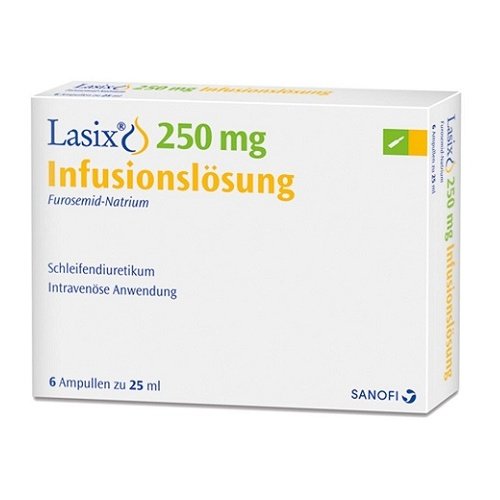
Lasix (furosemide) is a prescription medicine used to treat fluid retention (oedema) in conditions like heart failure, liver disease, and kidney problems. In the United Kingdom, it’s one of the most widely prescribed diuretics, valued for its rapid effect—but it requires careful monitoring and may not be right for everyone. Before starting Lasix, it’s essential to know that dosing, side effects, and response can be highly individual, and close communication with your GP or specialist is crucial.
Lasix or Something Else? Navigating the Choice in Oedema
The decision to start Lasix isn’t made in isolation. For many in the United Kingdom facing swollen ankles, breathlessness, or the slow, uncomfortable build-up of fluid, the first question is rarely about the name of the drug. Instead, it’s about relief: What will actually help me feel and function better? Lasix (furosemide) has been a cornerstone of managing oedema for decades, but it’s not the only option—and it’s not always the best fit.
Oedema can stem from heart, liver, or kidney issues, each with different underlying mechanisms and, crucially, different responses to treatment. In some cases, a milder diuretic or even non-drug strategies may be enough. In others, Lasix’s rapid onset and reliable power to shift fluid are exactly what’s needed. But the real world is messier than clinical trials. Patients in the UK often have several coexisting conditions, take multiple medications, and need a solution they can stick with.
Answer: Lasix (furosemide) is more potent and rapid-acting than many diuretics, but its benefits and drawbacks depend on your individual health context, including your kidney function and other medicines.
There are alternatives: thiazides, spironolactone, and newer agents. Each has a distinct risk-benefit profile, and your clinical team will weigh factors like blood pressure, electrolyte balance, and how urgently you need fluid off. For patients with resistant oedema, furosemide often forms the backbone of therapy, sometimes in combination with other drugs. Recognising when Lasix is likely to be effective—and when it’s not—sets realistic expectations and prevents frustration down the line.
How Lasix Delivers Results—And Where It Can Fall Short
Lasix works by prompting your kidneys to push excess sodium and water out into the urine, quickly reducing fluid overload. The difference between Lasix and other diuretics is its site and strength of action: furosemide acts on the loop of Henle, a crucial part of the nephron, achieving rapid and substantial diuresis.
In practical terms, this means most people feel lighter and notice less swelling—sometimes within hours of the first dose. The effect is most dramatic when fluid retention is significant. However, the body adapts. Over time, or when underlying kidney function is poor, Lasix can lose some of its punch.
- Mechanism in daily life:
-
– Fast relief in acute fluid overload (e.g. worsening heart failure)
– Less reliable in chronic, mild oedema—especially if the cause isn’t being addressed
– Temporary increase in urination, which may disrupt routines or sleep
Unlike thiazides, which are often used for high blood pressure, Lasix is chosen for its ability to shift larger volumes of fluid—and quickly. Where it falls short is in cases where the kidneys are severely impaired: higher doses may be required, but these increase the risk of side effects. For patients with cirrhosis or nephrotic syndrome, the response can be unpredictable, and a tailored approach is critical.
Lasix Versus Other Oedema Medicines: The Real-World Differences
| Medicine | Main Use in Oedema | Speed of Effect | Typical Dosing Range (UK) | Common Side Effects | Monitoring Needs | Prescription Status (UK) |
|---|---|---|---|---|---|---|
| Lasix (Furosemide) | Rapid fluid removal; heart, liver, renal oedema | Fast—hours | 20-80 mg daily, titrated | Low potassium, dehydration, dizziness | Electrolytes, kidney function | Prescription only |
| Bendroflumethiazide | Mild-moderate fluid retention, hypertension | Moderate—24 hours | 2.5-10 mg daily | Low sodium/potassium, uric acid buildup | Electrolytes | Prescription only |
| Spironolactone | Oedema from liver cirrhosis, resistant cases | Slow—days | 25-100 mg daily | High potassium, breast changes | Electrolytes, blood pressure | Prescription only |
For many patients in the UK, Lasix is the go-to when fast, significant relief is needed. Thiazides like bendroflumethiazide appeal for milder cases or when blood pressure control is also a priority. Spironolactone becomes vital when potassium conservation is needed or in certain liver conditions. The speed and strength of Lasix set it apart—but can also make it harder to control, requiring close monitoring, especially at higher doses or in older adults. Your doctor’s choice will depend as much on your medical history as on your current symptoms.
Starting Lasix in the UK: What to Expect in Your First Weeks
The first days on Lasix are often marked by more frequent trips to the loo. This change can be dramatic—sometimes surprisingly so. Most people see a reduction in swelling within days, but the real test is how you feel: less breathless, lighter, or simply more comfortable in your shoes.
Monitoring is critical in this early period. UK clinical practice recommends blood tests (electrolytes, kidney function) before and after starting Lasix, with repeat checks as needed—especially if you are over 65 or taking other medicines that affect the kidneys or blood pressure. If you notice muscle cramps, confusion, or an irregular heartbeat, call your GP without delay.
“Patients sometimes expect to feel better instantly, but Lasix isn’t a magic fix. The goal is steady, controlled fluid loss without overdoing it. If you lose weight too quickly, feel dizzy, or stop passing urine, those are reasons to get in touch straight away.”
Your dose may change in the first few weeks as your doctor finds the lowest amount that still works. Don’t adjust your own dose or stop taking Lasix without speaking to your healthcare provider. Compliance is the single biggest predictor of success—but it’s also where most patients struggle.
Dosing Lasix: Getting It Right for You
Lasix dosing isn’t one-size-fits-all, and UK practice reflects that flexibility. Factors like age, kidney function, the underlying cause of oedema, and how quickly you need results all play a part.
| Indication | Starting Dose | Typical Range | Adjustment |
|---|---|---|---|
| Oedema (adults, heart failure) | 20-40 mg once daily | 20-80 mg daily (split or single) | Increase by 20 mg if needed, reassess after 24-48 hours |
| Severe renal impairment | 40-80 mg to start | up to 120 mg or more daily | May require higher doses, monitor closely |
| Children (by weight) | 1 mg/kg body weight | Up to 2 mg/kg (max 40 mg) | Only under specialist supervision |
Your actual dose may fall outside these ranges based on your individual response. The aim is always the lowest effective dose. For some, particularly older adults or those with mild oedema, even 20 mg may be enough. For others, higher doses may be required, but this increases the risk of dehydration, electrolyte imbalance, and kidney problems.
Which Side Effects Matter Most with Lasix—and When to Act
All medicines have risks, but Lasix’s side effect profile is shaped by how it works—especially its impact on fluid and salt balance. Minor effects are common and usually manageable: increased urination, mild dizziness, and thirst. Rarely, side effects become serious and require urgent medical review.
The most clinically important side effects relate to changes in blood electrolytes (especially potassium), dehydration, and kidney function. These don’t always feel dramatic at first but can have dangerous consequences if missed.
Not every effect requires panic. Most are caught early with regular blood tests, which are standard NHS practice during treatment adjustments or when symptoms arise.
| Side Effect | Frequency | When to Contact Doctor |
|---|---|---|
| Low potassium | Common | Muscle cramps, weakness, palpitations |
| Dehydration | Common at higher doses | Confusion, fainting, inability to keep fluids down |
| Hearing loss | Rare | Any new hearing changes, especially if sudden |
| Rash/allergic reaction | Rare | Rash, swelling, difficulty breathing—call 999 |
| Gout flare | Occasional in predisposed patients | Severe joint pain, especially in the big toe |
Most side effects are reversible if caught early. The biggest danger is ignoring symptoms or skipping blood tests. Regular monitoring is your best defence.
When Not to Take Lasix: Warnings and Contraindications
- You are allergic to furosemide or similar diuretics
- You have severe low potassium or sodium not yet corrected
- You are unable to pass urine (anuria)
- You have hepatic coma (liver failure with confusion)
- Severe kidney or liver disease: Only under close supervision
- Pregnancy and breastfeeding: Usually avoided unless essential
- Low blood pressure: Risk of collapse increases
- Gout: May worsen attacks
- Taking other medicines that affect kidney or salt balance: May need dose adjustment and close monitoring
Most people who cannot take Lasix have a well-defined reason, discovered through blood tests or medical history. If you’ve previously had a reaction to diuretics, or if you have irregular kidney function, your doctor will consider alternatives and monitor you more closely.
Accessing Lasix in the UK: Prescription, Cost, and Practicalities
In the United Kingdom, Lasix (furosemide) is only available on prescription—there are no over-the-counter or non-prescription forms for treating oedema. Most patients receive it from their GP or hospital specialist, with ongoing prescriptions managed at regular NHS reviews.
- Prescription rules: Lasix is a ‘Prescription Only Medicine’ (POM) in the UK. Repeat prescriptions require monitoring, usually every 3–12 months depending on stability.
- Pharmacy access: Every community pharmacy in the UK dispenses furosemide. Both the original brand and generic versions are available, with no clinical difference in effect for most patients.
- Cost: If you pay for prescriptions, standard NHS charges apply. Many patients—especially those over 60 or with chronic conditions—qualify for free prescriptions.
The Medicines and Healthcare products Regulatory Agency (MHRA) oversees approval and safety monitoring. If you experience an adverse effect, reporting it through the Yellow Card Scheme helps improve safety for all patients.
Lasix in the UK: Frequently Asked Questions
- Will Lasix make me need the toilet all the time?
- It’s common to notice an increase in urination, especially soon after taking your dose. This effect is usually strongest in the first few hours, so taking Lasix in the morning can help avoid disruption at night. Over time, your body may adjust and the urge may lessen.
- Do I have to watch what I eat or drink?
- Yes—keeping hydrated is important, but avoid excessive fluids that might counteract the drug’s effect. Eating foods rich in potassium (like bananas or tomatoes) can help, but always check with your doctor if you’re on a low-potassium diet or taking supplements.
- Is it safe to take Lasix with my other medicines?
- Many medicines interact with furosemide, especially those affecting kidney function, blood pressure, or potassium balance. Always share your full medication list with your GP or pharmacist before starting or changing Lasix.
- I missed a dose—what should I do?
- If you realise within a few hours, take it as soon as possible (unless it’s close to bedtime). If you’ve missed it entirely, skip and continue with your next scheduled dose. Do not double up. Contact your doctor if you miss doses frequently.
- How will I know if Lasix is working?
- You should notice less swelling and possibly some weight loss. Symptom improvement—such as easier breathing and less puffiness—signals effectiveness. Your doctor will also check your blood test results to confirm it’s working safely.
- Is there a risk of dependency or withdrawal if I stop?
- No physical dependency develops, but suddenly stopping Lasix can cause fluid to build up again, sometimes quickly. Never stop without consulting your doctor—even if you feel better.
- Why do some people need higher doses than others?
- Differences in kidney function, severity of oedema, and other medications influence how much Lasix you need. It’s about finding the right dose for you, not achieving a target number.
- Do I need regular blood tests on Lasix?
- Yes—especially when starting, changing dose, or if you develop symptoms like cramps, confusion, or weakness. Monitoring is a standard part of care to catch problems early.
References
- British National Formulary. BNF, Joint Formulary Committee, 2023.
- Furosemide: NHS Medicines Information
- Clinical Practice Guidelines: Diagnosis and Management of Oedema. NICE, 2022.
- Medicines and Healthcare products Regulatory Agency (MHRA)
- European Medicines Agency (EMA)
- Lasix UK Prescribing Information (emc)
- Furosemide Patient Information, Mayo Clinic