
- Home/
- Buy Seroquel in Online Pharmacy in the United Kingdom
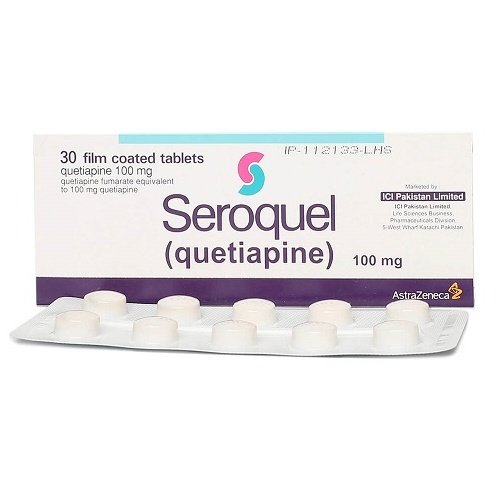
Can Seroquel Be Obtained Without a Prescription in the United Kingdom?
Seroquel (quetiapine) is a prescription-only medication in the United Kingdom. It is not legally available without a valid prescription from a qualified healthcare professional. Purchasing or using Seroquel without appropriate medical supervision is both unsafe and against UK law.
Key Takeaways
- Seroquel is intended for adults and children (above a certain age) with specific psychiatric diagnoses, such as schizophrenia, bipolar disorder, and as an adjunct in major depressive disorder, and must be prescribed by a qualified doctor.
- Improvement in symptoms may take several days to weeks, depending on the condition being treated and individual response.
- The most important safety consideration is the risk of metabolic, cardiac, and neurologic side effects, which require regular monitoring by your healthcare provider.
- A prescription is required to obtain Seroquel in the UK, whether from an NHS or private provider.
- Seroquel’s main benefit is its broad efficacy across several psychiatric disorders when taken under proper medical supervision.
- If you experience new or worsening side effects, suicidal thoughts, or signs of an allergic reaction, seek urgent medical advice.
What Is Seroquel and How Does It Work in the Body?
Seroquel is the brand name for quetiapine, a second-generation (atypical) antipsychotic. It is approved in the UK for treating schizophrenia, bipolar disorder (including mania and depression), and as an adjunct in major depressive disorder. The active ingredient, quetiapine fumarate, acts primarily on neurotransmitter systems in the brain.
Specifically, Seroquel antagonises (blocks) dopamine D2 and serotonin 5-HT2A receptors in the central nervous system. By reducing the effects of these neurotransmitters, it helps modulate abnormal mood, thought, and perception seen in various mental health conditions. Seroquel also has affinity for histamine H1, adrenergic α1, and serotonin 5-HT1A receptors, which accounts for some of its sedative and metabolic effects.
After oral administration, Seroquel is extensively metabolised in the liver (mainly by CYP3A4 enzyme), resulting in active metabolites, including norquetiapine, which contribute to its overall clinical effects.
Metaphor: If you imagine your brain’s neurotransmitter systems as a busy train station, Seroquel acts like a signalling system redirecting trains (neurotransmitters), preventing overcrowding on certain platforms (receptors) and restoring order to the schedule (mental stability).
Unlike some medications, Seroquel does not require specific external triggers to be effective. Its action depends on regular administration and achieving appropriate blood levels.
Expert Commentary: Why Progress with Seroquel Is Not Always Straightforward
As a consultant psychiatrist, I often notice that patients expect Seroquel to provide rapid improvement—sometimes overnight. In practice, response is gradual and can vary depending on individual biology and the specific mental health condition being treated. Many patients understandably struggle to distinguish between side effects (such as sedation or weight gain) and the medication’s intended therapeutic effects. Another challenge is the tendency to judge progress based solely on mood or sleep changes, overlooking more subtle improvements in thinking or day-to-day functioning. I encourage patients to raise any concerns early and to remember that regular follow-up is key, as medication adjustments may be needed to optimise results over time.
How Should Seroquel Be Taken? Dosage, Timing, and Duration
Seroquel is available in immediate-release and prolonged-release (XR) tablets. Dose, frequency, and titration schedule depend entirely on the condition being treated and the patient’s clinical profile. Below are general dosing principles as used in the UK, but always follow your prescriber’s instructions:
- Schizophrenia (adults): Typically starts at 50 mg twice daily (immediate-release) or 300 mg once daily (XR), gradually increased as tolerated to a usual maintenance dose of 300–450 mg daily, divided into one or two doses. Maximum licensed daily dose: 800 mg.
- Bipolar Disorder (mania/depression): Initial doses often start lower (e.g., 50 mg at bedtime), increasing in increments of 50–100 mg/day. Maintenance doses for mood stabilisation are often in the 300–600 mg/day range.
- Adjunct in Major Depression: Lower doses (e.g., 50–300 mg/day) are used as add-on therapy, always under specialist supervision.
Peak effect: Sedation may occur within 1–2 hours after dosing, but full antipsychotic and mood-stabilising effects may require 1–4 weeks.
Duration of action: Immediate-release: 6–12 hours. Prolonged-release: up to 24 hours.
Tablet splitting: Immediate-release tablets can be halved if scored; prolonged-release tablets must not be split, crushed, or chewed, as this alters their absorption.
In elderly or hepatic/renal impairment, lower starting doses and slower titration are standard to reduce risk of adverse effects. Always take Seroquel exactly as prescribed—never change dose or stop suddenly without your doctor’s advice.
Does Food, Alcohol, or Lifestyle Affect Seroquel’s Effectiveness?
Food: Seroquel immediate-release can be taken with or without food. However, high-fat meals may delay absorption slightly, though clinical impact is minimal. Prolonged-release (XR) tablets should be swallowed whole, usually once daily, and can also be taken with or without food (MHRA eMC).
Alcohol: Strictly avoid alcohol while on Seroquel. Combining alcohol and quetiapine increases the risk of excessive sedation, impaired coordination, and accidental injury. Even small amounts can potentiate CNS depression.
Grapefruit juice: Avoid grapefruit and grapefruit juice, as they inhibit CYP3A4, increasing quetiapine blood levels and risk of toxicity.
Lifestyle: Seroquel can cause drowsiness, so use caution when driving or operating machinery. Maintain a healthy diet and regular exercise to help mitigate weight gain and metabolic risks.
| Type of product | Can it be combined? | Consequences |
|---|---|---|
| Alcohol | No | Increased sedation, risk of respiratory depression |
| Grapefruit juice | No | Increased quetiapine levels, risk of toxicity |
| Antihypertensives | Caution | Additive blood pressure lowering |
| Strong CYP3A4 inhibitors (e.g., ketoconazole) | No | Increased risk of adverse effects |
| Levodopa, dopamine agonists | Caution | May reduce antiparkinsonian effect |
Who Should Never Take Seroquel? (Absolute and Relative Contraindications)
Absolute contra-indications (never use):
- Known hypersensitivity to quetiapine or any tablet ingredient
- Concomitant use with potent CYP3A4 inhibitors (e.g., ketoconazole, erythromycin)
- History of neuroleptic malignant syndrome (a rare, life-threatening reaction to antipsychotics)
- Severe CNS depression (coma, intoxication with alcohol or CNS depressants)
Relative contra-indications (use only with caution and specialist oversight):
- Cardiovascular disease (e.g., arrhythmias, recent myocardial infarction, heart failure)
- History of seizure disorder (may lower seizure threshold)
- Uncontrolled diabetes mellitus (risk of hyperglycaemia and metabolic disturbance)
- Liver impairment (dose adjustment required; avoid in severe hepatic failure)
- Elderly patients with dementia-related psychosis (increased risk of stroke and death)
- Previous prolonged QT interval or family history of sudden cardiac death
Seroquel should only be considered after careful risk-benefit assessment in these situations, often involving specialist referral.
What Side Effects Are Most Common with Seroquel?
Like all medicines, Seroquel can cause side effects. The following lists are based on frequency and clinical data from the MHRA and EMA (MHRA, EMA):
- Very common (>1 in 10):
- Somnolence (drowsiness)
- Dizziness
- Dry mouth
- Weight gain
- Withdrawal symptoms (on discontinuation): insomnia, nausea, headache, diarrhoea, vomiting
- Common (1 in 100 to 1 in 10):
- Orthostatic hypotension (drop in blood pressure on standing)
- Constipation
- Dyspepsia
- Elevated blood lipids (triglycerides, cholesterol)
- Raised blood glucose
- Abnormal dreams
- Agitation or irritability
- Tachycardia (rapid heartbeat)
- Increased appetite
- Rare (<1 in 1,000):
- Seizures
- Neuroleptic malignant syndrome
- Priapism (persistent, painful erection)
- Severe allergic reactions (angioedema, anaphylaxis)
- QT prolongation, arrhythmias
- Very rare (<1 in 10,000):
- Severe skin reactions (e.g., Stevens-Johnson syndrome)
- Hepatitis, jaundice
- Agranulocytosis (dangerous drop in white blood cells)
If you experience serious side effects such as chest pain, severe confusion, fever, muscle stiffness, unexplained bruising, or suicidal thoughts, seek urgent medical attention. For mild side effects, report them to your doctor, who may be able to suggest ways to manage them or adjust your treatment if necessary.
Common Mistakes Patients Make When Taking Seroquel—and How to Avoid Them
- Stopping Seroquel abruptly: Many patients discontinue use suddenly due to side effects or early symptom improvement, risking withdrawal symptoms and relapse. Avoidance: Always discuss changes with your doctor to develop a safe tapering plan.
- Taking Seroquel at inconsistent times: Irregular dosing leads to fluctuating blood levels and reduced effectiveness. Avoidance: Take Seroquel at the same time(s) daily—setting alarms or reminders can help.
- Splitting or crushing prolonged-release tablets: Damages the controlled-release mechanism, causing overdose or reduced efficacy. Avoidance: Only split scored immediate-release tablets; never alter XR tablets.
- Consuming grapefruit juice: Many patients are unaware of this interaction, which can raise drug levels dangerously. Avoidance: Check labels and avoid grapefruit products entirely.
- Ignoring new symptoms: Some patients dismiss early signs of metabolic changes, such as weight gain or excessive thirst. Avoidance: Report these promptly so your doctor can monitor for diabetes or lipid abnormalities.
- Driving or operating machinery when drowsy: Seroquel commonly causes sedation, especially at the start of treatment. Avoidance: If you feel sleepy, avoid hazardous activities until you know how Seroquel affects you.
How Does Seroquel Compare with Other Antipsychotics and Mood Stabilisers?
| Medication | Common Indications | Onset Speed | Duration of Action | Side Effects | Cost per Tablet (GBP, 2026) |
|---|---|---|---|---|---|
| Seroquel (Quetiapine) | Schizophrenia, Bipolar, Adjunct in Depression | Days to weeks | 6–24 h (IR/XR) | Drowsiness, weight gain, metabolic | £0.30–£1.10 (generic), £2.10 (brand) |
| Olanzapine | Schizophrenia, Bipolar | Few days | 24 h | Weight gain, metabolic, sedation | £0.22–£1.20 |
| Aripiprazole | Schizophrenia, Bipolar, Adjunct in Depression | Days to weeks | 75 h (long half-life) | Less sedation, agitation, headache | £0.80–£1.90 |
| Risperidone | Schizophrenia, Bipolar, Aggression in dementia | Few days | 20 h | Prolactin increase, movement disorders | £0.15–£0.75 |
Note: Prices are NHS indicative based on the British National Formulary and may vary (BNF).
Pharmacokinetics of Seroquel: Absorption, Metabolism, and Elimination
Absorption: Seroquel is well absorbed after oral administration, with peak plasma concentrations seen in 1.5 hours (immediate-release) or about 6 hours (prolonged-release).
Metabolism: It is extensively metabolised in the liver, primarily by the enzyme CYP3A4. Main active metabolite: norquetiapine.
Elimination: About 73% is excreted in urine (as metabolites), the rest via faeces.
Half-life (T1/2): Approximately 7 hours for immediate-release, 12 hours for XR. Dose adjustments may be necessary in elderly or hepatic impairment.
What About Special Populations? Elderly, Chronic Illness, and Driving
- Elderly patients: Increased risk of sedation, falls, and orthostatic hypotension. Lower starting doses are mandatory.
- Liver/kidney impairment: Reduced metabolism or excretion can increase side effect risk. Dose reduction required in moderate hepatic impairment; use with caution in renal impairment.
- Children and adolescents: Quetiapine is sometimes used “off-label” for certain psychiatric conditions, but safety and efficacy below age 18 is not fully established for all indications in the UK.
- Pregnancy and breastfeeding: Seroquel should only be used if the expected benefit justifies the risk. It is excreted in breast milk in small amounts—consult a perinatal psychiatrist or obstetrician.
- Fertility: Animal studies suggest no significant effect on fertility, but human data are limited.
- Driving and machinery: Seroquel can impair attention and reaction time, especially at initiation and dose increases. Do not drive until you know how it affects you.
Original Seroquel vs. Generics: Are Generics Safe and Effective?
Generics, such as “quetiapine” (without the brand name Seroquel), are approved by the MHRA and must demonstrate bioequivalence to the original product. The main difference is usually in excipients (inactive ingredients), which rarely cause allergic reactions. Generics are often more affordable and are widely used in NHS and private practice.
How generics compare:
- Safety: Equivalent to original if obtained from a licensed UK pharmacy
- Efficacy: Demonstrated bioequivalence; clinical outcomes are the same
- Allergies: Rarely, excipients can cause reactions—consult your doctor if you have excipient allergies
- Cost: Generics are typically cheaper (NHS covers cost for eligible patients)
How Can I Identify Genuine Seroquel or Quetiapine in the United Kingdom?
To ensure authenticity and avoid counterfeit or substandard products, check the following:
- Packaging: UK-licensed Seroquel/Quetiapine comes in blister strips or bottles, with the product name, strength, and manufacturer clearly printed. Look for “AstraZeneca UK Limited” (Seroquel) or an approved generic manufacturer.
- Tablets: Shape and colour vary by strength (e.g., Seroquel 25 mg are peach, round; 100 mg are yellow, round; 200 mg are white, round). Tablets may be scored (immediate-release) or unscored (XR).
- Batch and expiry: Packaging must show batch number, expiry date, and UK product licence number.
- Security features: Newer packaging may include QR codes or holographic seals. Check for intact seals and absence of tampering.
- Price: An unusually low price can indicate a counterfeit or illegally imported product.
When in doubt, consult your pharmacist or use the MHRA Yellow Card Scheme to report suspicious medicines.
How to Spot Counterfeit or “Grey Market” Seroquel
- Misspelled product names or information not in English
- Absence of UK pharmacy details, batch number, or expiry date
- Different tablet colour, size, or shape from known UK versions
- Loose tablets or damaged packaging
- Offers from unregulated websites or “without prescription” sellers
Buying only from a licensed UK pharmacy is the safest way to avoid counterfeit medicines.
Quality Check: Verifying the Authenticity of Your Seroquel
- Colour and shape: 25 mg (peach, round), 100 mg (yellow), 200 mg (white), 300 mg (white, larger), 400 mg (white, oval)
- Engraving: Each tablet is imprinted with dose/brand details
- Packaging: Blister strips with manufacturer and batch details
- Security: Intact tamper-evident seals, QR code (if present on newer boxes), and clear English labelling
If the product looks different or any details are missing, consult your pharmacist before use.
How Can I Get Seroquel in the United Kingdom? Step-by-Step Guide
- Consult a GP or psychiatrist: Book an appointment with your NHS GP, local mental health service, or a private psychiatrist in your city (e.g., London, Manchester, Birmingham).
- Assessment: The doctor will take a history, review your symptoms, and perform any necessary investigations to confirm diagnosis and suitability.
- Prescription: If indicated, your doctor will issue a prescription (paper or electronic) for Seroquel or a generic quetiapine.
- Pharmacy fulfilment: Take your prescription to a licensed pharmacy (community or online). NHS patients typically pay the standard prescription charge unless exempt.
- Telemedicine option: Some private psychiatrists and online clinics, regulated by the Care Quality Commission (CQC), can prescribe Seroquel after a remote video consultation. Only use CQC-accredited providers.
- Follow-up: Attend regular follow-up appointments for monitoring and dose adjustment.
Never use unregulated sources or purchase Seroquel without a prescription.
What Should I Do If I Miss a Dose or Accidentally Take Too Much Seroquel?
- Missed dose: Take the missed dose as soon as you remember unless it is nearly time for your next dose. Do not double up to catch up.
- Overdose:
- Stop taking Seroquel immediately.
- Call NHS 111 or 999 for emergency advice.
- Inform the medical professional about the dose and timing of ingestion.
- If possible, bring the medication packaging with you to hospital.
How to Safely Use Online Pharmacies for Seroquel in the UK
- Use only online pharmacies registered with the MHRA and displaying the EU Common Logo (a green cross symbol).
- Each legitimate online pharmacy must be listed on the MHRA register.
- Ensure the pharmacy requires a valid prescription and provides real-time pharmacist advice.
- Avoid websites offering Seroquel “without prescription” or at unrealistically low prices.
- Check for a verifiable UK address and contact number.
- Counterfeit medicines are a significant risk with unregulated sellers—these may contain the wrong dose, harmful substances, or no active ingredient.
- Report suspicious websites or products to the MHRA or use the Yellow Card scheme.
Myth vs Reality: Seroquel and Mental Health Treatment
- Myth: Seroquel works instantly as a “happy pill.”
Reality: Improvement may take days to weeks, and the medication manages symptoms, not underlying causes. - Myth: “I can stop Seroquel once I feel better.”
Reality: Abrupt discontinuation can cause withdrawal and relapse; always consult your doctor before stopping.
Psychological Support: You Are Not Alone
Mental health conditions are common and manageable. Many people benefit from a combination of medication, talking therapies, and practical support. If you are struggling, consider discussing your experiences with a partner, trusted friend, or mental health professional—help is available.
Questions Patients Often Ask Their Doctor About Seroquel
- Will Seroquel make me feel like a “zombie” or change my personality?
- Seroquel may cause drowsiness, especially at first, but it is not designed to “numb” you or alter your personality. Most patients find that, once stabilised, their thinking becomes clearer and daily function improves. If you feel excessively sedated or “not yourself,” let your doctor know—dose adjustment or timing changes can help.
- How will we know if Seroquel is helping?
- Improvement is measured by reduced frequency or severity of symptoms such as hallucinations, mood swings, or agitation. Your doctor may use questionnaires or structured interviews at follow-up visits to assess progress and adjust the treatment plan.
- What should I expect during the first few weeks of treatment?
- Common experiences include drowsiness and mild dizziness. Some people notice sleep improves before mood or thinking changes. It is important to be patient and attend all scheduled reviews, as benefits often build gradually over several weeks.
- Will I have to take Seroquel for life?
- The duration of treatment varies. Some people need long-term therapy for chronic conditions, while others may be able to taper off after a period of stability. Your doctor will discuss an individual plan and review regularly whether continued treatment is appropriate.
- How does my doctor monitor for side effects?
- Routine monitoring includes checking blood pressure, pulse, weight, and waist circumference, as well as periodic blood tests for glucose and lipids. Report any new symptoms promptly, as early intervention can prevent serious complications.
- Is it possible to develop a dependence or withdrawal from Seroquel?
- Physical dependence is uncommon, but sudden discontinuation can cause withdrawal symptoms such as insomnia, nausea, and headache. Always taper under medical supervision.
Seroquel Product Information Table
| Parameter | Value |
|---|---|
| Active substance | Quetiapine fumarate |
| Available forms | Tablets (immediate-release, prolonged-release/XR), various strengths (25–400 mg) |
| Prescription status (UK) | Prescription only |
| Storage | Below 25°C, original packaging |
| Shelf life | Typically 3 years (check packaging) |
| Manufacturer | AstraZeneca (brand); various for generics |
Professional Clinical Assessment: When Seroquel Is the Right Choice
In my clinical experience, Seroquel is most appropriate for adults and older adolescents with schizophrenia, bipolar disorder (both mania and depression), or major depression where first-line treatments have proven inadequate. It is particularly favourable in patients needing a medication with both antipsychotic and mood-stabilising properties, and those sensitive to movement side effects from older antipsychotics. On the other hand, individuals with a history of severe metabolic syndrome, uncontrolled diabetes, or significant cardiac risks may require alternatives with a lower metabolic burden. Seroquel may not be ideal in elderly patients with dementia-related psychosis, given the increased risk of stroke. In all cases, the decision to prescribe Seroquel is nuanced and should be reviewed regularly—especially if side effects develop, treatment goals change, or symptoms worsen. In some situations, a switch to another antipsychotic or a combination approach with psychological therapy may be more appropriate.
Frequently Asked Questions About Seroquel in the United Kingdom
Is Seroquel effective for anxiety or insomnia?
Seroquel is not licensed in the UK for primary treatment of anxiety or insomnia. It may be prescribed off-label in complex cases by specialists, but long-term use for these purposes is not recommended due to side effect risks.
How long does it take for Seroquel to start working?
Seroquel may begin to reduce agitation and insomnia within a few days, but full benefits for psychosis or mood stabilisation often take 2–4 weeks. It is important to continue taking as prescribed and attend follow-up appointments for monitoring.
Do I need a new prescription for each refill?
Yes. In the UK, controlled medications such as Seroquel require a repeat prescription from your GP or psychiatrist. Some long-term patients are provided with electronic repeat prescriptions, but regular review is still essential.
Can Seroquel be delivered to my home?
Yes. Many licensed UK pharmacies offer home delivery, including online services. A valid prescription is required, and regulated pharmacies will verify your identity and consult as needed.
What should I do if I experience side effects?
For mild symptoms, inform your doctor at your next appointment. For serious side effects (chest pain, confusion, severe rash), seek immediate medical attention by calling NHS 111 or 999.
Is Seroquel safe during pregnancy?
Use in pregnancy should be considered only if the benefits outweigh risks. Always discuss family planning with your doctor, as quetiapine can cross the placenta and influence the baby’s health.
What is the price of Seroquel in the UK?
Generic quetiapine is available for around £0.30–£1.10 per tablet; brand Seroquel may cost more. NHS patients usually pay the standard prescription charge unless exempt.
Can I switch between brand and generic quetiapine?
Yes, as long as both are UK-licensed. However, if you notice any difference in effect or side effects, consult your doctor or pharmacist.
Are there restrictions on driving with Seroquel?
Yes, Seroquel can impair alertness, especially at treatment initiation and dose changes. Do not drive or operate machinery until you know how the medication affects you.
Can Seroquel be stopped suddenly?
No. Seroquel should not be stopped suddenly due to risk of withdrawal symptoms and relapse. Always taper off slowly, under medical supervision.
Sources / References
- MHRA. Medicines and Healthcare products Regulatory Agency. Accessed 2026. https://www.gov.uk/government/organisations/medicines-and-healthcare-products-regulatory-agency
- NHS. Seroquel (quetiapine): uses, side effects, and precautions. Accessed 2026. https://www.nhs.uk/medicines/quetiapine/
- BNF. British National Formulary: Quetiapine. Accessed 2026. https://bnf.nice.org.uk/
- EMA. European Medicines Agency: Seroquel. Accessed 2026. https://www.ema.europa.eu/en
- AstraZeneca UK Ltd. Seroquel Summary of Product Characteristics. Accessed 2026. https://www.medicines.org.uk/emc/product/3952/smpc
- PubMed. Quetiapine clinical studies (latest 2023–2025). Accessed 2026. https://pubmed.ncbi.nlm.nih.gov/
- WHO. World Health Organization. Quetiapine factsheet. Accessed 2026. https://www.who.int/
- Mayo Clinic. Quetiapine (Oral Route). Accessed 2026. https://www.mayoclinic.org/drugs-supplements/quetiapine-oral-route/description/drg-20066912