
- Home/
- Buy Prednisolone at Low Price Online in United Kingdom
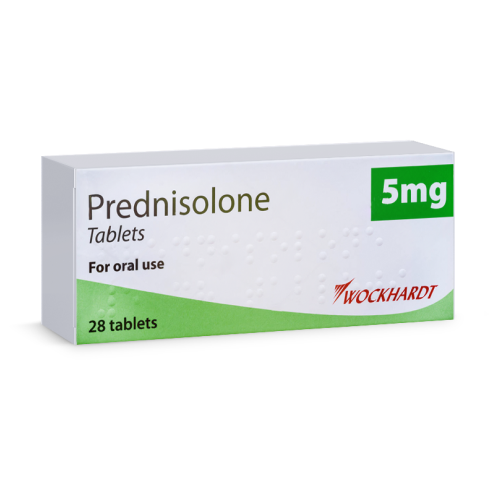
Can Prednisolone be obtained without a prescription in the United Kingdom?
No, Prednisolone is a prescription-only medicine in the United Kingdom. It cannot be legally obtained without a valid prescription from a registered healthcare professional. Purchasing or using Prednisolone without proper medical supervision is both illegal and unsafe.
Key Takeaways: What to Know About Prednisolone in the United Kingdom
- Prednisolone is a prescription-only corticosteroid used primarily for inflammatory and autoimmune conditions in the UK.
- This medication is best suited for individuals with moderate to severe inflammation that cannot be managed with milder therapies.
- Results can be seen within hours to days, but the specific onset and duration depend on the condition being treated and the dose prescribed.
- Prednisolone can cause significant side effects, especially with prolonged use, so close monitoring by a doctor is essential.
- Do not stop Prednisolone suddenly without medical advice, as this can cause withdrawal symptoms and serious health risks.
- If you experience unusual symptoms (such as mood changes, vision issues, or signs of infection), seek medical advice promptly.
How Does Prednisolone Work? The Science Behind Its Action
Prednisolone is a synthetic glucocorticoid, a class of corticosteroids that replicate the effects of the body’s natural hormone cortisol. It works primarily by binding to intracellular glucocorticoid receptors, resulting in the modulation of gene expression. This action inhibits the transcription of pro-inflammatory cytokines and upregulates the production of anti-inflammatory proteins. The net effect is a broad suppression of the body’s immune and inflammatory responses.
On a molecular level, Prednisolone inhibits phospholipase A2, which blocks the formation of arachidonic acid—a precursor for prostaglandins and leukotrienes, both of which are central to inflammation. It also reduces capillary permeability, decreases migration of white blood cells, and suppresses the formation of inflammatory mediators like interleukins and tumour necrosis factor (TNF).
To put it simply: Prednisolone acts like a volume control for inflammation and immunity, turning down the body’s overactive response that leads to redness, swelling, pain, and tissue damage. Unlike drugs that treat only symptoms, Prednisolone interrupts the very signals that generate inflammation.
Expert Commentary: Patient Expectations vs. Clinical Reality with Prednisolone
In my experience, many patients expect Prednisolone to act as a quick fix, resolving their symptoms almost instantly, regardless of the underlying condition. While some conditions such as acute asthma or allergic reactions may respond rapidly, others—like chronic autoimmune diseases—may require days to weeks before substantial improvement is noted. Patients also frequently underestimate the risk of side effects with even short-term use and often do not ask about long-term complications until they arise. It’s rare for patients to inquire about how Prednisolone might affect sleep, mood, or blood sugar, yet these are common areas of concern. Realistically, monitoring and individualising therapy are crucial, and patients should be prepared for regular follow-ups, dosage adjustments, and sometimes, the need for additional medications to manage side effects.
How Should Prednisolone Be Taken? Guidance on Dosage and Administration
Prednisolone dosing is highly individualised based on the specific condition, patient age, and response to treatment. In the United Kingdom, dosing typically follows NICE and NHS guidelines:
- Adults (acute inflammation): Usually start with 5–60 mg per day, taken as a single morning dose to mimic the body’s natural cortisol rhythm.
- Chronic conditions (e.g., rheumatoid arthritis): Maintenance doses are often 5–15 mg daily.
- Children: Doses are weight-based; paediatric dosing must be carefully calculated and monitored by a specialist.
Maximum daily dose: Doses above 60 mg per day are rarely used outside of hospital settings and only under specialist supervision.
Tablet splitting: Most prednisolone tablets in the UK can be split, but only if they are scored. Modified-release or enteric-coated formulations must not be split or crushed; always check with your pharmacist.
Dose adjustments are necessary for elderly patients and those with mild hepatic or renal impairment. Never stop Prednisolone abruptly after more than a week of therapy, as this can result in life-threatening adrenal crisis.
What Is the Metabolism and Elimination Pathway of Prednisolone?
After oral administration, Prednisolone is absorbed in the gastrointestinal tract with bioavailability of approximately 80–100%. It is metabolised in the liver via CYP3A4 enzymes to inactive metabolites and excreted mainly by the kidneys. The plasma half-life (T1/2) is typically 2.5–3.5 hours, but the biological effects can last much longer. In patients with liver impairment, metabolism may be slowed, requiring dose adjustment and close monitoring.
Parameter Table: Prednisolone Technical Characteristics
| Parameter | Value |
|---|---|
| Dosage forms available | Tablets (1 mg, 5 mg, 10 mg, 25 mg), oral solution, liquid drops, injection (hospital use only) |
| Typical adult dose range | 5–60 mg daily (condition-specific) |
| Bioavailability | 80–100% |
| Onset of action | 2–6 hours |
| Peak plasma time | 1–2 hours (oral) |
| Plasma half-life (T1/2) | 2.5–3.5 hours |
| Excretion | Renal (urine), as metabolites |
| Storage | Below 25°C, in original packaging, away from light |
How Does Food, Alcohol, and Lifestyle Impact Prednisolone Therapy?
Food: Prednisolone tablets can be taken with or after food to reduce stomach irritation. Fatty meals do not significantly delay absorption, but taking the medication with food is advised to minimise gastrointestinal side effects.
Alcohol: Drinking alcohol is not strictly prohibited but is best minimised, as both alcohol and Prednisolone can irritate the stomach lining and increase the risk of ulcers, especially at higher doses. There’s no specific ‘safe’ amount, but limiting intake to within UK government guidelines (up to 14 units per week) is advisable. Heavy or binge drinking should be avoided.
Grapefruit juice: There is no robust evidence that grapefruit significantly interacts with Prednisolone, but theoretically it may affect CYP3A4 metabolism. To be cautious, avoid excessive grapefruit consumption.
Other considerations: Prednisolone can raise blood sugar levels and may require dietary adjustments, especially in patients with diabetes. Patients should also maintain adequate calcium and vitamin D intake due to risk of bone thinning (osteoporosis) with long-term use.
Compatibility Check: Prednisolone and Common Substances
| Product Type | Can It Be Combined? | Potential Consequences |
|---|---|---|
| Paracetamol | Yes | No significant interaction |
| Ibuprofen / NSAIDs | Caution | Increased risk of stomach ulcers and bleeding |
| Warfarin | Monitor closely | May affect blood clotting; frequent INR checks needed |
| Live Vaccines | NO | Risk of infection due to immune suppression |
| Alcohol | Limit | Increased risk of gastric irritation and ulcers |
Who Should Not Take Prednisolone? Detailed Contraindications
Prednisolone use requires careful consideration of both absolute and relative contraindications. Always inform your doctor about all pre-existing conditions before starting therapy.
- Absolute contraindications:
- Systemic fungal infections
- Known allergy to prednisolone or excipients
- Live virus vaccines during high-dose therapy
- Uncontrolled psychosis
- Relative contraindications (use with caution):
- Active or latent tuberculosis
- Peptic ulcer disease
- Diabetes mellitus (can worsen glycaemic control)
- Hypertension (can increase blood pressure)
- Osteoporosis (accelerates bone loss)
- Recent heart attack (risk of rupture within 6 weeks)
- Glaucoma or cataracts
- Liver or kidney impairment (may require dose adjustment)
Live vaccines (such as MMR or yellow fever) must not be administered during high-dose Prednisolone treatment, as immune suppression can lead to severe infection.
What Side Effects Are Most Common with Prednisolone?
Side effects vary with dose, duration, and individual susceptibility. Adverse effects are more common during long-term or high-dose therapy. Side effects can be grouped according to frequency:
- Very common (>1/10): Increased appetite, weight gain, insomnia, mood changes (anxiety, irritability), elevated blood sugar, indigestion, fluid retention.
- Common (>1/100, <1/10): High blood pressure, muscle weakness, skin thinning, easy bruising, delayed wound healing, acne, menstrual changes.
- Rare (>1/10,000, <1/1,000): Psychosis, glaucoma, cataracts, severe allergic reactions (anaphylaxis), peptic ulcer with bleeding, avascular necrosis of bone.
- Very rare (<1/10,000): Pancreatitis, steroid-induced myopathy, Cushing’s syndrome, adrenal suppression leading to crisis.
Mechanisms: Many side effects (such as moon face, weight gain, and high blood sugar) are due to Prednisolone’s effects on metabolism and fluid balance. Weakening of immunity leads to increased risk of infections. Long-term use affects bone density, increasing the risk of fractures.
If you develop severe headaches, visual disturbances, black stools, mood changes, or signs of infection, contact your doctor or emergency services immediately.
Common Mistakes When Using Prednisolone – and How to Avoid Them
- Stopping Prednisolone abruptly: Suddenly discontinuing after more than a week of use can cause adrenal crisis. Always taper as advised by your doctor.
- Skipping doses or irregular timing: Prednisolone is most effective when taken at the same time each day, preferably in the morning. Irregular dosing reduces effectiveness and increases side effect risks.
- Taking on an empty stomach: This can increase stomach irritation and risk of ulcers. Always take with food or milk unless otherwise advised.
- Ignoring blood pressure or blood sugar monitoring: These can change quickly on Prednisolone, especially in those with pre-existing hypertension or diabetes.
- Not informing other healthcare providers: Failing to mention Prednisolone use can result in drug interactions or complications, especially during surgery or in emergency situations.
- Taking NSAIDs (e.g., ibuprofen) without medical advice: This significantly raises the risk of stomach ulcers and bleeding.
How Does Prednisolone Compare with Other Anti-inflammatory Alternatives?
| Drug | Main Use | Onset Speed | Duration | Common Side Effects | Approx. NHS Price (2026) |
|---|---|---|---|---|---|
| Prednisolone | Systemic inflammation, severe allergies, asthma, autoimmune | 2–6 hrs | 12–36 hrs (biological effect) | Weight gain, mood changes, high blood sugar, infection risk | £0.75–£2 per 28 x 5mg tablets (generic) |
| Hydrocortisone | Adrenal insufficiency, mild inflammatory conditions | 1–2 hrs | 8–12 hrs | Shorter duration, less potent, fluid retention | £1.50–£3 per 30 x 10mg tablets |
| Dexamethasone | Severe inflammation, cerebral oedema, oncology support | 1–2 hrs | 36–72 hrs | Insomnia, irritability, muscle wasting | £1–£3 per 50 x 2mg tablets |
| Non-steroidal anti-inflammatories (e.g., Ibuprofen) | Mild-moderate pain, swelling, fever | 30–60 min | 4–8 hrs | Stomach irritation, bleeding, kidney effects | £0.50–£1 per 16 x 400mg tablets |
Bottom line: Prednisolone is typically reserved for moderate to severe inflammatory conditions where NSAIDs or milder steroids are insufficient or contraindicated. Always discuss with your doctor which alternative is most suitable for your specific condition.
Step-by-Step Guide: How to Obtain Prednisolone Legally in the United Kingdom
- See your GP or specialist (e.g., rheumatologist, respiratory physician) for a clinical evaluation of your symptoms and diagnosis.
- If indicated, your doctor will issue a prescription for Prednisolone, specifying the dose, formulation, and duration.
- Present your prescription at a registered community pharmacy (in person or via NHS electronic prescription service).
- Pharmacist dispenses the medication after verification and provides usage instructions and safety information.
- For repeat prescriptions or long-term use, your doctor will arrange regular reviews and may adjust the dose as needed.
- NHS repeat prescription services, online pharmacy delivery (from verified UK-registered providers), and teleconsultation may be available for long-term users, subject to appropriate checks.
How Can You Recognise a Genuine, Licensed Online Pharmacy in the United Kingdom?
The Medicines and Healthcare products Regulatory Agency (MHRA) regulates all pharmacies in the UK, including those operating online. To identify a legitimate online pharmacy:
- Look for the EU common logo (for online sales of medicines) and the General Pharmaceutical Council (GPhC) registration number.
- Check the pharmacy’s details on the official GPhC Register.
- Genuine pharmacies always require a valid prescription for Prednisolone.
- Be cautious of websites offering Prednisolone without a prescription, at unusually low prices, or with unclear physical addresses—these are strong indicators of illegitimate sellers and potential counterfeit products.
- Online NHS pharmacy services (e.g., Pharmacy2U, LloydsDirect) are widely used and are safe when accessed through official channels.
How to Spot a Counterfeit or “Grey Market” Prednisolone Product
- Original packaging: In the UK, Prednisolone is supplied in clearly marked blister packs or bottles with manufacturer details, batch number, expiry date, and a patient information leaflet.
- Physical appearance: Tablets are uniform in colour and shape, often round or oval, with clear engravings (e.g., “P” or the strength in mg).
- Quality check: UK-authorised packs may have holograms, barcodes, or QR codes for verification. If in doubt, ask your pharmacist to confirm authenticity.
- Price warning: An abnormally low price, especially from websites that do not require a prescription, is a red flag for counterfeit or substandard products.
- What are generics? Generic Prednisolone is required to meet the same quality, safety, and efficacy standards as brand-name versions. Excipients (inactive ingredients) may differ, which could affect allergies or tolerability in some individuals. Always inform your pharmacist of any known allergies.
- Advantage of generics: Lower cost with equivalent therapeutic effect. The NHS primarily dispenses generic Prednisolone unless a branded product is specifically required for clinical reasons.
Does Prednisolone Affect Special Patient Groups and Daily Life?
Chronic diseases: Prednisolone can exacerbate diabetes, hypertension, osteoporosis, and psychiatric conditions. Extra monitoring and tailored dose adjustments are needed.
Driving and using machinery: Most patients can safely drive, but some may experience mood changes, insomnia, or blurred vision, especially at higher doses. Assess your reaction before operating vehicles or heavy equipment.
Fertility and pregnancy: Prednisolone can be used in pregnancy if the benefits outweigh risks, but prolonged use may affect fetal growth. Discuss family planning and contraception with your doctor if you may become pregnant.
Children and elderly: Both groups are more susceptible to side effects and require closer monitoring. Growth suppression is a risk in children on long-term therapy.
Overdose: What to Do if Too Much Prednisolone Is Taken
- Stop taking the medication immediately.
- Contact 111 (NHS non-emergency) or 999 (emergency services) for urgent medical advice in the UK.
- Inform the healthcare provider of the exact dose and time taken.
- Do not attempt to induce vomiting unless instructed by a healthcare professional.
- Bring the medication packaging to the hospital for identification.
Symptoms of overdose may include severe mood changes, confusion, high blood pressure, or acute infection risk.
Doctor Answers: Questions Patients Often Ask About Prednisolone
- How will I know if Prednisolone is working for my condition?
- Typically, you should see improvement in your main symptoms—such as reduced swelling, pain, or breathing difficulty—within a few days. The speed of response depends on your diagnosis and dose. If you notice no benefit after a week, or your symptoms get worse, contact your doctor for review.
- What should I do if I develop side effects while taking Prednisolone?
- If the side effect is mild (such as mild indigestion), let your doctor know at your next appointment. For severe symptoms (e.g., black stools, severe mood changes, fever), seek medical help promptly. Your treatment may need to be adjusted or stopped.
- Is it safe to take Prednisolone long-term?
- Long-term use increases the risk of side effects, especially bone thinning, diabetes, and infections. We use the lowest effective dose for the shortest possible time, and monitor you regularly with blood tests and check-ups.
- Can Prednisolone interact with my regular medicines?
- Yes, especially with blood thinners, diabetes medications, and certain vaccines. Always provide your complete medication list to every healthcare professional you see, including over-the-counter and herbal supplements.
- Do I need to avoid any foods or drinks?
- No specific foods are prohibited, but a healthy, balanced diet is important. Minimise salt, sugar, and alcohol intake, and ensure adequate calcium and vitamin D to protect your bones.
- How is my treatment progress monitored?
- We usually arrange regular blood pressure, blood sugar, and bone health checks. Depending on your condition, repeat blood tests, vision checks, and infection screening may be needed. Always attend these appointments for your safety.
Quality Check: What Does Genuine Prednisolone Look Like in the UK?
- Prednisolone tablets in the UK are typically white or pale coloured, round or oval, with clear strength markings (e.g., 5, 10, 25) and sometimes a ‘P’ or manufacturer logo.
- Packs contain a patient information leaflet, batch number, expiry date, and the manufacturer’s name.
- Some packs may have a hologram, QR code, or security features—check these are undamaged and intact.
- Liquid and injectable forms are supplied in sealed bottles or ampoules with full labelling.
- If the product looks unusual, tablets are crumbling, or the packaging is in a foreign language, do not use it—return to your pharmacist for verification.
Psychological Support and Living with Inflammatory Illness
Inflammatory or autoimmune conditions can be distressing, but you are not alone and your condition is manageable. Many people require medication, sometimes for long periods. Discussing your symptoms and concerns with your doctor, pharmacist, or a support group can help you adjust. If you feel overwhelmed, consider seeking additional psychological support or counselling services.
Myth vs Reality: Common Misconceptions About Prednisolone
- Myth: Prednisolone works instantly for all conditions.
Reality: Some acute conditions improve rapidly, but others require sustained therapy for days or weeks to see full benefit. - Myth: Once you feel better, you can stop taking Prednisolone.
Reality: Stopping suddenly can be dangerous; always follow your doctor’s tapering schedule. - Myth: Side effects only occur after years of use.
Reality: Some side effects, such as mood changes or insomnia, can occur within days—even at moderate doses.
Clinical Assessment by doctor: When Is Prednisolone the Right Choice?
In clinical practice, I find Prednisolone most appropriate for patients with moderate to severe inflammatory conditions that have not responded to first-line treatments—such as severe asthma, acute exacerbations of autoimmune diseases, or life-threatening allergic reactions. It is also essential in acute relapses of some neurological disorders and certain cancers. Conversely, for patients with mild symptoms, significant risk factors for osteoporosis, diabetes, or severe infections, alternative approaches like local steroid preparations or non-steroidal anti-inflammatories may be preferable. The decision to use Prednisolone always involves weighing rapid symptom control against the risk of significant side effects, especially in those needing long-term therapy. Close, regular monitoring and dose adjustments are critical, and I reassess therapy at every opportunity to ensure the lowest effective dose is used for the shortest necessary duration.
Frequently Asked Questions About Prednisolone in the United Kingdom
- Is Prednisolone available over the counter in the UK?
- No, Prednisolone is only available with a prescription from a registered healthcare professional in the UK.
- How quickly does Prednisolone start working?
- Prednisolone typically begins to reduce inflammation and symptoms within 2 to 6 hours, but full effects may take several days depending on your condition.
- What are the most serious risks of taking Prednisolone?
- The most serious risks include suppression of the immune system, adrenal insufficiency, increased infection risk, mood changes, and bone thinning with long-term use. Always report any severe side effects to your doctor.
- How long can I take Prednisolone safely?
- The aim is to use the lowest effective dose for the shortest time necessary. Long-term use requires ongoing monitoring for complications such as osteoporosis, diabetes, and infections.
- Can I take Prednisolone with other medications?
- Some medicines can interact with Prednisolone, including blood thinners, diabetes medications, and non-steroidal anti-inflammatories. Always inform your healthcare provider about all medicines you are taking.
- What should I do if I miss a dose?
- If you miss a dose, take it as soon as you remember. If it’s nearly time for your next dose, skip the missed dose and return to your usual schedule. Do not double up to make up for a missed dose.
- How much does Prednisolone cost in the UK?
- Prices vary, but generic Prednisolone is inexpensive on the NHS—typically between £0.75 and £2 for a 28-tablet pack (5mg tablets). Prescriptions are usually covered by standard NHS charges unless you are exempt.
- Is home delivery of Prednisolone available?
- Yes, many NHS-registered pharmacies and online pharmacy services offer home delivery for prescriptions, subject to verification of a valid prescription.
- Can I stop taking Prednisolone once I feel better?
- No, never stop Prednisolone suddenly unless advised by your doctor. Stopping abruptly can cause dangerous withdrawal symptoms; always follow your tapering plan.
- Are there alternatives to Prednisolone if I have side effects?
- Alternative treatments may include other corticosteroids, non-steroidal anti-inflammatories, or disease-modifying therapies, depending on your diagnosis. Discuss any concerns with your doctor.
References
- NHS. Prednisolone – NHS Inform. Accessed June 2026. https://www.nhs.uk/medicines/prednisolone/
- National Institute for Health and Care Excellence (NICE). Corticosteroids – Clinical Knowledge Summary. Accessed June 2026. https://cks.nice.org.uk/topics/corticosteroids-oral/
- Medicines and Healthcare products Regulatory Agency (MHRA). Safety Alerts and Prescribing Information. Accessed June 2026. https://www.gov.uk/government/organisations/medicines-and-healthcare-products-regulatory-agency
- EMA. Prednisolone – European Medicines Agency. Accessed June 2026. https://www.ema.europa.eu/en
- PubMed. Recent Studies on Prednisolone and Inflammatory Disease Management. Accessed June 2026. https://pubmed.ncbi.nlm.nih.gov/
- Mayo Clinic. Prednisolone (Oral Route): Description and Brand Names. Accessed June 2026. https://www.mayoclinic.org/drugs-supplements/prednisolone-oral-route/description/drg-20075256