
- Home/
- Buy Doxycycline in Online Pharmacy in United Kingdom
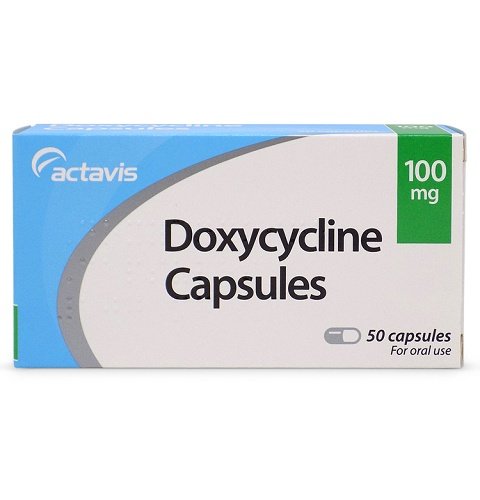
Can Doxycycline Be Obtained Without a Prescription in the United Kingdom?
No, Doxycycline is classified as a prescription-only medicine in the United Kingdom. It cannot legally be obtained without a valid prescription from a qualified healthcare professional.
Key Takeaways: Doxycycline Use in the United Kingdom
- Doxycycline requires a prescription from a doctor or authorised prescriber in the UK—self-medication is not permitted.
- This antibiotic is most suitable for bacterial infections such as respiratory tract infections, acne, Lyme disease, and prevention of malaria.
- First effects are often seen within a few days for acute infections, but the full course must be completed to prevent resistance.
- Always inform your doctor of other medications you are taking to avoid harmful interactions, especially with antacids, certain vitamins, or anticoagulants.
- If you develop severe side effects, such as difficulty breathing, rash, or persistent vomiting, seek immediate medical help.
- Doxycycline should not be used in children under 12 years or during pregnancy except under strict medical advice.
How Does Doxycycline Work? Understanding the Mechanism of Action
Doxycycline belongs to the tetracycline class of antibiotics. Its primary mechanism involves inhibiting bacterial protein synthesis. It achieves this by binding to the 30S ribosomal subunit of bacteria, preventing the addition of amino acids to growing protein chains. This process blocks translation, which is essential for bacterial growth and replication. As a result, doxycycline is considered bacteriostatic—it stops bacteria from multiplying rather than directly killing them.
To put this simply: imagine a factory that needs assembly workers (ribosomes) to build its products (proteins). Doxycycline acts like a supervisor who prevents the workers from receiving their supplies, effectively halting production. This gives your immune system time to clear the existing bacteria.
Importantly, doxycycline’s effectiveness is independent of food triggers or external factors; it acts directly on bacterial cells as long as sufficient blood levels are maintained. However, adequate absorption (impacted by certain foods or antacids) is necessary for the drug to reach effective concentrations in the bloodstream.
References: [NHS](https://www.nhs.uk/medicines/doxycycline/) European Medicines Agency PubMed
Why Patients Often Expect Instant Results—and Why That’s Not Realistic
In my experience, patients frequently expect antibiotics like doxycycline to provide rapid relief, sometimes within hours of the first dose. It’s important to understand that the drug works by stopping bacteria from multiplying, not by eliminating every organism instantly. You might not notice improvement for 48–72 hours, and feeling better does not mean the infection is fully treated. A common misconception is that partial improvement means it’s safe to stop—this increases the risk of recurrence and antibiotic resistance. I encourage my patients to ask for clarity on expected timelines and warning signs of complications, as well as to inquire about safe use in case of existing medical conditions or concurrent medications, topics that are less often addressed unless specifically raised in consultation.
How Should I Take Doxycycline? Dosage Regimen and Administration Details
Doxycycline dosing is tailored to the condition being treated, patient age, and renal or hepatic status. The most common adult dose for acute infections is 100mg twice daily for the first day, followed by 100mg once daily. For chronic conditions such as acne, a lower dose of 50–100mg once daily is typical.
Maximum daily dose: 200mg should not be exceeded in adults unless specifically directed by your doctor.
Elderly patients generally tolerate standard doses, but those with severe liver or kidney impairment require careful monitoring and potential dose reduction, though doxycycline is less likely to accumulate in renal impairment compared to other tetracyclines.
Doxycycline tablets and capsules must not be split or chewed. Swallow each dose whole, with a full glass of water. Remain upright for at least 30 minutes after taking the medicine to reduce the risk of oesophageal irritation or ulceration.
Peak effect: Blood concentrations usually reach effective levels within 1–3 hours of ingestion; however, clinical improvement may take 2–3 days.
Duration of action: Doxycycline’s half-life is 16–22 hours, supporting once-daily dosing for most indications.
Compatibility Check: Can Doxycycline Be Taken with Food, Drinks, and Other Products?
| Product/Meal | Combine? | Consequences |
|---|---|---|
| Full-fat dairy (milk, cheese, yoghurt) | No | Reduces absorption and effectiveness |
| Alcohol (moderate) | Caution | May increase risk of stomach upset, but not strictly contraindicated |
| Grapefruit juice | No data | No clinical studies; avoid as a precaution |
| Antacids/iron/calcium supplements | No | Severely impairs absorption; separate by 2+ hours |
| Oral contraceptives | Caution | May reduce effectiveness; use additional contraception |
Food interaction details: Doxycycline can be taken with a light meal to reduce stomach upset, but dairy products (especially within 2 hours of your dose) significantly reduce absorption. Iron, zinc, calcium supplements, and antacids containing aluminium, magnesium, or calcium should be avoided for at least 2–3 hours before and after taking doxycycline.
Alcohol: Light-to-moderate alcohol intake is not strictly prohibited but can increase the risk of gastrointestinal side effects. Chronic heavy drinking may reduce doxycycline effectiveness due to increased liver metabolism.
Grapefruit juice: There are no published clinical trials specifically addressing grapefruit juice and doxycycline, but as a precaution, it is generally advised to avoid grapefruit products.
Who Should Not Take Doxycycline? Absolute and Relative Contraindications
- Absolute contraindications (never use):
-
- Known allergy to doxycycline or other tetracyclines.
- Children under 12 years: risk of permanent tooth discolouration and enamel hypoplasia.
- Pregnancy (especially second and third trimester): potential for foetal harm, including impaired skeletal development.
- History of severe hepatic impairment or active liver disease.
- Concurrent use with oral retinoids (e.g., isotretinoin): increased risk of intracranial hypertension.
- Relative contraindications (use with caution):
-
- Lactating women: doxycycline is excreted in breast milk; effects on infants are unknown but could include tooth and bone effects.
- Severe renal impairment: although less renal excretion occurs than with other tetracyclines, monitor closely.
- Myasthenia gravis or other neuromuscular diseases: may worsen symptoms.
- Previous photosensitivity reaction: increased risk of severe sunburn—use sun protection.
- History of oesophageal disorders: take with plenty of water and remain upright after dosing.
Why? Doxycycline can have harmful effects on developing teeth and bones, and can exacerbate hepatic or neuromuscular problems. Combined use with isotretinoin or other drugs that increase intracranial pressure is especially risky.
What Side Effects Are Most Common with Doxycycline?
Side effects with doxycycline are classified by frequency in accordance with WHO guidelines:
- Very common (>1 in 10):
- Nausea, vomiting
- Diarrhoea
- Photosensitivity (skin sensitivity to sunlight)
- Common (1 in 100 to 1 in 10):
- Headache
- Abdominal pain
- Loss of appetite
- Skin rash
- Rare (1 in 10,000 to 1 in 1,000):
- Oesophagitis or oesophageal ulcer (especially if not taken correctly)
- Benign intracranial hypertension (severe headache, vision problems)
- Hepatitis or liver impairment
- Blood disorders (thrombocytopenia, haemolytic anaemia)
- Very rare (<1 in 10,000):
- Anaphylaxis (life-threatening allergy)
- Severe skin reactions (Stevens-Johnson syndrome)
- Permanent tooth discolouration in children
Mechanisms: Gastrointestinal side effects are due to local irritation and alteration of gut flora. Photosensitivity results from an exaggerated skin response to UV light. Intracranial hypertension is a rare but serious risk, particularly with concurrent retinoids.
If side effects occur: For mild symptoms (nausea, mild rash), inform your doctor at the next opportunity. For severe reactions (breathing difficulty, severe rash, persistent vomiting, vision changes), seek urgent medical attention.
Common Mistakes Patients Make When Taking Doxycycline—and How to Avoid Them
- Stopping the course early once feeling better: This increases the risk of relapse and development of antibiotic resistance. Always complete the prescribed course even if symptoms resolve.
- Taking with milk, antacids, or supplements: Dairy, calcium, iron, or magnesium products reduce absorption. Separate these products by at least 2–3 hours from your doxycycline dose.
- Lying down immediately after taking the tablet: This can cause oesophageal irritation or ulceration. Stay upright for at least 30 minutes after swallowing the dose with plenty of water.
- Excessive sun exposure: Doxycycline makes the skin more sensitive to sunlight, risking severe burns. Use sunblock and avoid sunbeds.
- Forgetting to inform the doctor about all medications: This can lead to dangerous interactions. Always provide a complete list of current medicines and supplements.
- Doubling up after a missed dose: Taking two doses at once increases side effect risk. If you miss a dose, take it as soon as you remember unless it’s almost time for the next dose—do not double up.
How Does Doxycycline Compare to Other Antibiotics? (Competitor Analysis)
| Medicine | Typical Indications | Onset Speed | Duration of Action | Common Side Effects | Cost per Typical Course (GBP) |
|---|---|---|---|---|---|
| Doxycycline | Respiratory tract infection, acne, Lyme, malaria prevention | 48–72 hours | 16–22 hours | GI upset, sun sensitivity | £7–£15 |
| Amoxicillin | Ear, sinus, throat, chest, urinary infections | 24–48 hours | 1–2 hours | Allergy, diarrhoea, rash | £4–£9 |
| Clarithromycin | Respiratory, skin, H. pylori | 48 hours | 3–7 hours | Taste changes, GI upset | £10–£20 |
Bottom line: Doxycycline is versatile, affordable, and preferred in certain infections (e.g. when penicillins are contraindicated), but sun sensitivity and interactions with common supplements are limitations. Amoxicillin remains first-line for many respiratory infections unless allergies or resistance exist.
Technical Reference: Doxycycline at a Glance
| Active ingredient | Doxycycline hyclate/monohydrate |
| Available strengths | 50mg, 100mg capsules/tablets |
| Formulations | Capsules, tablets, dispersible tablets, oral suspension |
| Half-life | 16–22 hours |
| Metabolism | Primarily hepatic (liver), minimal renal excretion |
| Storage | Below 25°C, protect from light |
| Driving/machinery | No significant impairment, unless experiencing dizziness or blurred vision |
What Is the Process for Obtaining Doxycycline in the UK? Step-by-Step Guide
- Consultation: Book an appointment with your GP, an authorised private doctor, or a registered online doctor service. The doctor will assess your symptoms and medical history.
- Medical Assessment: A physical examination or additional tests may be required, depending on your symptoms and infection type.
- Prescription Issuance: If appropriate, the doctor will issue a prescription for doxycycline, specifying dosage and treatment duration.
- Collecting the Medicine: Take the prescription to a registered community pharmacy or an NHS online pharmacy for dispensing. Some online doctor services can arrange direct medication dispatch via registered postal pharmacies.
- Follow-Up: Complete the prescribed course. If symptoms do not improve, or if severe side effects develop, contact your doctor for reassessment.
Note: Prescriptions are valid across the United Kingdom (England, Scotland, Wales, Northern Ireland) and can be filled at any licensed pharmacy.
How Can I Identify a Legitimate Online Pharmacy in the United Kingdom?
To protect yourself from counterfeit or substandard medicines, always use pharmacies registered with the General Pharmaceutical Council (GPhC). Reputable online pharmacies will prominently display their GPhC registration and the EU Common Logo, which can be clicked to verify authenticity through the regulatory authority’s website.
- Look for the pharmacy’s physical address and phone number in the UK.
- Check that a qualified pharmacist is available to answer questions.
- Legitimate pharmacies will always require a valid prescription before dispensing doxycycline.
- Avoid sites offering antibiotics without a prescription, at unusually low prices, or with no clear UK contact details.
- For more information, visit the General Pharmaceutical Council.
How Can I Recognise and Avoid Counterfeit Doxycycline?
Original doxycycline in the UK is supplied in sealed blister packs or opaque bottles, each marked with the brand name, dosage, batch number, expiry date, and manufacturer details. Fonts are clear, not smudged. Packaging may include a QR code or hologram for verification—scan these with a smartphone or use the manufacturer’s website to check authenticity.
An unusually low price, misspelled packaging, lack of manufacturer details, or poor print quality are warning signs of a counterfeit or “grey market” product. If in doubt, consult your pharmacist before use.
Generics explained: Since doxycycline’s patent expiry, numerous generic formulations are available in the UK. Generics contain the same active ingredient but may have different inactive excipients (fillers, coatings). These differences rarely affect efficacy but can occasionally trigger allergic reactions in sensitive individuals. Generics are subject to the same quality standards as the original brand, offering safe, cost-effective treatment.
Pharmacokinetics of Doxycycline: What Happens in the Body?
After oral administration, doxycycline is rapidly and well absorbed (bioavailability 90–100%), with peak blood levels reached within 2 hours. It distributes widely in the body, including into tissues, fluids, and, notably, the respiratory tract and skin. The drug is predominantly metabolised in the liver, and only a small proportion is excreted unchanged via the kidneys.
Half-life: 16–22 hours, allowing for once-daily dosing in many cases. Most of the drug is eliminated in the faeces via bile, with some renal excretion. In patients with kidney impairment, dose adjustment is usually not necessary, a key difference from older tetracyclines.
No significant impact on the ability to drive or operate machinery—unless you experience side effects such as dizziness or blurred vision.
Are There Special Considerations for Certain Patients?
- Chronic kidney disease: Doxycycline is safer than other tetracyclines, but close monitoring is advised in severe renal impairment.
- Liver disease: Use with caution. Regular liver function monitoring may be needed.
- Pregnancy and breastfeeding: Avoid unless specifically prescribed due to risks of tooth and bone problems in the child.
- Fertility: Currently, no evidence suggests doxycycline impairs fertility in men or women, but animal data is limited.
- Driving/machinery: Use caution if experiencing visual disturbances or severe headaches.
Myth vs Reality: Facts About Doxycycline
- Myth: “If I feel better after a couple of days, I don’t need to finish the course.”
Reality: Completing the entire antibiotic course is essential to fully clear the infection and prevent resistance. - Myth: “Doxycycline can treat viral infections like colds or flu.”
Reality: Doxycycline is only effective against certain bacteria, not viruses. - Myth: “All generics are inferior to the original doxycycline.”
Reality: Approved generics are required to meet the same efficacy and safety standards as the original product in the UK.
Quality Check: What Should My Doxycycline Look Like in the UK?
- Tablets/capsules: Usually yellow or greenish-yellow, round or capsule-shaped, engraved with dose and brand name.
- Packaging: Blister strips or solid bottles, with batch number, expiry date, and manufacturer details clearly visible.
- Security features: Many brands include holographic seals, QR codes, or unique authenticity codes—always verify before use.
- Leaflet: Genuine products include a comprehensive UK-specific patient information leaflet inside the box.
If packaging appears damaged, contains non-English or misspelled text, or lacks verifiable branding, consult your pharmacist before taking the medicine.
What Should I Do If I Take Too Much Doxycycline? Overdose Guidance
- Stop taking the medicine immediately.
- Contact NHS 111 or call 999 for emergency services if severe symptoms develop (such as severe vomiting, confusion, breathing difficulty, or collapse).
- Inform the medical professional about the amount taken and the time of ingestion.
- Do not attempt to induce vomiting unless specifically advised by a medical professional.
Psychological Support: You Are Not Alone
Bacterial infections and chronic skin conditions are common and treatable. Many people feel anxious about starting antibiotics or worry about social stigma, especially with conditions like acne or sexually transmitted infections. It’s normal to have questions or concerns—addressing them openly with your doctor, pharmacist, or a support group can help you feel more in control of your treatment journey.
Questions Patients Often Ask Doctors About Doxycycline
- How long should I wait to see improvement after starting doxycycline?
Most patients notice improvement within 2–3 days for acute infections. However, it’s important to complete the entire prescribed course, even if you feel better sooner, to prevent relapse. - Can I take doxycycline if I have mild kidney or liver problems?
For most patients with mild-to-moderate kidney impairment, no dosage adjustment is needed, but those with severe liver problems may require careful monitoring or a different antibiotic. Always discuss your full medical history before starting treatment. - What should I do if I forget a dose of doxycycline?
Take it as soon as you remember, unless it’s almost time for your next dose. In that case, skip the missed dose and continue as normal. Never double up to make up for a missed tablet. - Can doxycycline affect my contraception?
Doxycycline may rarely reduce the effectiveness of oral contraceptives, especially if it causes vomiting or diarrhoea. Use extra protection (e.g., condoms) while on treatment and for 7 days afterwards, just to be safe. - Is it normal to feel nauseous after taking doxycycline?
Mild nausea is common. Taking your dose with a small meal (not dairy) and a full glass of water can help. If vomiting is severe or persistent, speak to your doctor. - How will I know if the antibiotic is working?
Early signs include reduced pain, swelling, or fever. If symptoms persist after several days or worsen, contact your doctor for reassessment. - Can I drive or work while taking doxycycline?
Most people can, unless they experience dizziness, blurred vision, or severe headaches. If these occur, avoid driving and speak to your doctor.
FAQ: Doxycycline Use in the United Kingdom
Is doxycycline effective for COVID-19?
There is no robust evidence supporting the use of doxycycline for treating or preventing COVID-19. It should only be used for bacterial infections as prescribed by a doctor.
Can doxycycline be taken during pregnancy?
Doxycycline is generally not recommended during pregnancy due to risks to the unborn baby’s teeth and bones, particularly after the first trimester. Use only if specifically advised by your doctor.
How much does a course of doxycycline cost in the UK?
A typical 7-day course of doxycycline costs between £7 and £15, depending on the brand and pharmacy. NHS patients may pay only the standard prescription charge unless exempt.
Do I need a prescription for doxycycline in the UK?
Yes, doxycycline is a prescription-only medicine; it is illegal and unsafe to obtain it without a prescription.
What infections does doxycycline treat?
It treats a wide range of bacterial infections, including pneumonia, acne, chlamydia, Lyme disease, and is used for malaria prevention in travellers.
Are there any common drug interactions with doxycycline?
Yes, antacids, calcium, iron supplements, and certain medications like warfarin or retinoids can interact with doxycycline. Always inform your doctor about all medicines and supplements you take.
What should I do if I miss a dose?
Take the missed dose as soon as you remember, unless it’s almost time for the next one. Do not double up. If unsure, ask your doctor or pharmacist.
Can I drink alcohol while taking doxycycline?
Moderate alcohol intake is not strictly forbidden, but heavy drinking may reduce effectiveness and increase side effect risk. Avoid excessive alcohol.
How should doxycycline be stored?
Store below 25°C, protected from light, in its original packaging. Keep out of reach of children.
Is it safe to use doxycycline long-term?
Long-term use (e.g. for acne) is possible under medical supervision, but regular check-ups are advised to monitor for side effects.
Clinical Assessment by Doctor: Who Benefits Most from Doxycycline Therapy?
In clinical practice, I reserve doxycycline for patients with confirmed or strongly suspected bacterial infections, particularly when first-line agents (such as penicillins) are unsuitable due to allergy or resistance. It’s particularly effective for respiratory tract infections, acne, certain sexually transmitted infections, and in the prevention of malaria for certain travellers. Patients with complex medication regimens, chronic conditions, or a history of liver disease may require alternative therapies or closer monitoring. Doxycycline is not appropriate for viral infections or for patients who are pregnant (except in specific situations where no safer alternative exists). Individual risk factors—such as photosensitivity, likelihood of adherence, and concurrent medication use—guide my decision to recommend doxycycline versus other antibiotics. Periodic reassessment during therapy ensures that the intended benefit is achieved and adverse effects are managed early. Ultimately, the choice of antibiotic must be tailored to the infection type, patient comorbidities, and the current landscape of antimicrobial resistance.
References
- NHS, Doxycycline Information. Accessed June 2026. https://www.nhs.uk/medicines/doxycycline/
- European Medicines Agency, Doxycycline. Accessed June 2026. https://www.ema.europa.eu/en
- National Institute for Health and Care Excellence (NICE), Doxycycline monograph. Accessed June 2026. https://bnf.nice.org.uk/drugs/doxycycline/
- General Pharmaceutical Council (GPhC), Register of Pharmacies. Accessed June 2026. https://www.pharmacyregulation.org/
- PubMed, Doxycycline pharmacokinetics and clinical studies. Accessed June 2026. https://pubmed.ncbi.nlm.nih.gov/
- WHO, Model List of Essential Medicines. 2025. https://www.who.int/medicines/publications/essentialmedicines/en/