
- Home/
- Buy Clomid Without Prescription in the United Kingdom Online
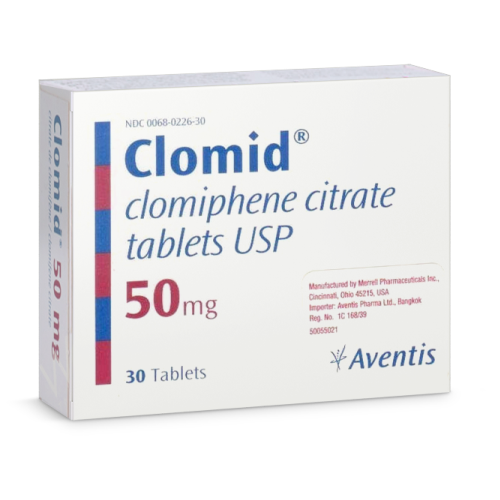
Clomid (clomiphene) is a prescription medicine used in the United Kingdom to help women with certain types of infertility ovulate and increase their chances of becoming pregnant. For most women, the most important thing to know before starting Clomid is that it can significantly increase the chance of ovulation, but it does not guarantee pregnancy and must be prescribed and monitored by a specialist.
Why Clomid Becomes the First Fertility Step for Many in the UK
For countless women in the United Kingdom, the moment the GP refers them to a fertility specialist triggers a mix of hope and confusion. The NHS is clear: before invasive procedures or expensive referrals, a simple tablet—Clomid—might be the first intervention offered. This is especially true if your periods are irregular, absent, or you have polycystic ovary syndrome (PCOS). But what makes Clomid the default starting point for so many?
Clomid’s reputation comes from decades of UK clinical experience and guidelines. It’s one of the few drugs prescribed in the NHS for ovulation induction, largely because it’s effective, relatively low risk, and—crucially—affordable for the health system and the patient. For women who do not ovulate regularly, especially those with PCOS-related anovulation, Clomid is often the first recommended step after basic investigations. Clinical guidelines from the National Institute for Health and Care Excellence (NICE) put it front and centre for anovulatory infertility.
Tip: If your periods are regular and you ovulate monthly, Clomid is unlikely to make a difference and is generally not recommended. Its value is in inducing ovulation where it is absent or irregular.
But the story isn’t just about first-line treatment. For many couples, Clomid is the first sign that their fertility journey is moving forward—an action plan rather than endless waiting and testing. That sense of forward momentum is powerful. It’s also why expectations run high, and why understanding what Clomid can and cannot do is so important before you start.
What Clomid Actually Does in Your Body: Beyond the Brochure
Clomid’s mechanism is more than just a technicality—it shapes the entire treatment experience. At its core, clomiphene tricks your brain into thinking oestrogen levels are lower than they really are. This “trick” makes your pituitary gland release more follicle-stimulating hormone (FSH) and luteinising hormone (LH), increasing the chances that your ovaries will release an egg. That’s the part most women know. But how it feels, and why it doesn’t work for everyone, is less often explained.
- Follicle-stimulating hormone (FSH)
- A hormone from the pituitary gland that stimulates the ovaries to mature eggs.
- Luteinising hormone (LH)
- A hormone that triggers the release of a mature egg (ovulation).
Clomiphene is not replacing a missing hormone. It’s urging your body to do what it should do naturally but sometimes does not. This is why women who do not respond to clomiphene often have underlying problems that go beyond just hormonal signals—such as blocked fallopian tubes or low ovarian reserve. The drug cannot fix those problems, and taking higher doses rarely changes that reality.
7 out of 10 women with anovulatory infertility (particularly with PCOS) will ovulate on Clomid, but only about half will conceive within six cycles of use. (NHS)
For the patient, this means that a positive ovulation test on Clomid is encouraging, but it is not a guarantee of pregnancy. The gap between ovulating and conceiving—especially with advancing age or other fertility factors—remains real.
Can Clomid Work for You, or Is It Worth Trying Something Else First?
Some decisions in fertility care are simple. This isn’t one of them. Just because Clomid is commonly prescribed does not mean it is right for every woman struggling to conceive.
| Attribute | Clomid (Clomiphene) | Letrozole | Gonadotrophins |
|---|---|---|---|
| Mechanism | Selective oestrogen receptor modulator (SERMs); stimulates FSH/LH release | Aromatase inhibitor; lowers oestrogen to stimulate FSH/LH | Injectable hormones; directly provide FSH (± LH) |
| Typical Candidates | Women with anovulatory cycles (especially PCOS) | Women with PCOS, especially if Clomid fails or causes side effects | Women who do not respond to oral agents or require IVF |
| Effectiveness | Ovulation in up to 80% of women; pregnancy rates up to 40% in 6 cycles | Effectiveness similar or slightly better than Clomid in PCOS | Highest ovulation rates; highest risk of twins, costlier |
| Common Side Effects | Hot flushes, mood swings, visual symptoms | Fatigue, dizziness, less risk of multiple pregnancy | Ovarian hyperstimulation, injection site reactions |
| Monitoring Needed | Cycle tracking, sometimes ultrasound | Same as Clomid | Frequent scans and blood tests |
| Twin/Multiple Birth Risk | 6-10% | Lower than Clomid | Highest (up to 30%) |
| Prescription Status UK | Prescription only | Prescription only (off-label for infertility) | Prescription only; specialist fertility clinics |
| Cost to Patient | Generally low; often NHS covered | Similar; some NHS/mostly private | High; often self-funded if not eligible for NHS IVF |
Letrozole has gained popularity, especially where Clomid fails or causes side effects. Yet, in the UK, letrozole’s use in infertility is largely “off-label”—meaning it is not officially licensed for this purpose, though guidelines and many specialists support its use. Gonadotrophins, on the other hand, are usually reserved for women who do not respond to oral therapies or are pursuing IVF, due to their higher cost, greater monitoring needs, and increased risk of multiple pregnancy.
Doctor: “In my practice, Clomid remains the starting point for most women with anovulatory infertility because it is effective, affordable, and can be managed in an outpatient setting. The main reason to choose something different is a clear contraindication, persistent side effects, or previous failure of ovulation despite optimal dosing. For women with regular cycles or those already ovulating, Clomid offers little benefit and may waste precious time.”
Summary: Clomid works best for women with irregular or absent ovulation (especially PCOS), who have open fallopian tubes and a partner with normal sperm studies. If you already ovulate, or if there are other infertility factors, discuss alternative strategies with your doctor before starting a course of Clomid.
How Clomid Is Taken: Making Sense of Doses, Timing, and Cycles
Dosing with Clomid is not “one size fits all,” but the UK practice is more standardised than many patients expect. Typically, you’ll be prescribed 50mg daily for 5 days, starting between day 2 and day 5 of your period. If ovulation does not occur, your specialist may increase the dose in increments of 50mg up to a maximum of 150mg daily per cycle. Most NHS clinics do not recommend exceeding this dose, as higher amounts do not improve pregnancy rates but do increase side effects.
| Indication | Starting Dose | Max Dose | Duration per Cycle | Course Limit |
|---|---|---|---|---|
| Anovulatory infertility (PCOS, unexplained) | 50mg daily | 150mg daily | 5 days | Up to 6 cycles recommended |
| Other causes (investigational) | As guided by specialist | Do not exceed 150mg/day | 5 days | Usually stopped if no response after 3–6 cycles |
- Take each dose at the same time daily, preferably in the evening to minimise potential side effects like hot flushes and mood swings.
- Use ovulation predictor kits or scheduled blood tests (blood progesterone) to confirm ovulation—this guides whether to adjust the dose or switch treatments.
- NHS clinics will rarely continue Clomid for more than 6 cycles due to diminishing pregnancy rates and increased risk of ovarian cysts.
If you miss a dose, do not double up the next day; instead, continue as normal and inform your fertility team. Your cycle may be delayed, but missing a single dose is not usually catastrophic. If you have not ovulated after three cycles at the maximum dose, your specialist will usually recommend stopping Clomid and considering alternatives.
Which Side Effects Matter Most with Clomid—and When to Act
Clomid’s side effects are rarely dangerous, but they are common enough to shape your experience. Hot flushes, headaches, mood swings, and breast tenderness lead the list. Most symptoms are mild and self-limited, but a small number can be warning signs that require urgent assessment.
Warning: Sudden, severe abdominal pain, vision changes, or significant swelling should prompt immediate contact with your doctor. These could signal rare complications such as ovarian hyperstimulation syndrome (OHSS) or visual disturbances that demand stopping the drug.
For most women, the side effects start a few days into the 5-day course and fade as your body metabolises the medication. Emotional lability—crying without warning, irritability, or anxiety—is not uncommon, and can catch you by surprise if you’re not expecting it. The risk of twins or triplets is real (about 6–10% chance), which can bring both joy and medical complexity. Ovarian cysts may also develop, though most resolve without intervention.
| Side Effect | How Common? | When to Contact a Doctor |
|---|---|---|
| Hot flushes | Up to 20% | If severe or affecting daily life |
| Mood changes | 10–15% | If persistent, severe, or affecting relationships |
| Visual symptoms (blurred vision, flashing lights) | Rare (<1%) | Stop Clomid and contact your doctor immediately |
| Ovarian cysts | Up to 10% | If abdominal pain or bloating develops |
| Ovarian hyperstimulation syndrome (OHSS) | Rare (<1%) | Severe abdominal pain, swelling, vomiting—seek urgent care |
| Twin/multiple pregnancy | 6–10% | Discuss implications with your specialist |
Most side effects are manageable, but new visual changes or severe abdominal pain are never “normal.” Stop the medication and contact your fertility team or GP without delay. The NHS is clear: these are not side effects to push through.
When Not to Take Clomid: A Warning List You Can’t Skip
- Known or suspected pregnancy—Clomid must never be taken during pregnancy.
- Liver disease or abnormal liver function—as the drug is processed in the liver, underlying liver problems make Clomid unsafe.
- Unexplained abnormal vaginal bleeding—requires investigation before any fertility treatment.
- Ovarian cysts not due to PCOS—risk of further enlargement and complications.
- Endometrial cancer or hormone-sensitive tumours—Clomid is contraindicated due to its oestrogenic effects.
- Hypersensitivity to clomiphene or any tablet ingredient.
- History of severe depression or psychiatric illness—may worsen mood symptoms.
- Previous severe ovarian hyperstimulation syndrome (OHSS).
- Visual disturbances even on low doses—future use is not recommended.
- Significant risk of multiple pregnancy may outweigh benefits in some women.
These cautions are not just checkboxes for your GP. If you have any of these conditions, your specialist will want a clear plan or an alternative before Clomid is started. UK fertility clinics usually carry out a full baseline assessment—including pelvic ultrasound and hormone profiling—before prescribing Clomid.
Clomid vs. Other Female Infertility Treatments: UK Perspective
While Clomid dominates as the first oral option in the UK, its place in the treatment pathway is always relative to the alternatives and to individual circumstances. The NICE guidelines prioritise Clomid for women with PCOS-related anovulation, but not for every cause of infertility. By comparison, letrozole is increasingly being used across NHS and private clinics on an off-label basis, especially for women who do not tolerate Clomid or who fail to respond to it. Gonadotrophin injections remain reserved for specialist-led cycles, particularly IVF, because of both cost and complexity.
- Clomid (Clomiphene): Used first-line for PCOS, requires regular monitoring, limited to about six cycles, effective for many but not all women.
- Letrozole: Not licensed for infertility in the UK, but recommended in current guidelines for women with PCOS who do not respond to or tolerate Clomid. May have a lower risk of multiple pregnancy.
- Gonadotrophins: Injectable, specialist-only, higher risk of OHSS and multiple pregnancies, costly, requires intensive monitoring.
In practical terms, the main advantages of Clomid are accessibility (most GPs and NHS clinics can prescribe it), cost (typically low and sometimes NHS-covered), and the ability to take it at home with minimal disruption to daily life. Its main disadvantages are the risk of mood changes, multiple pregnancy, and diminishing returns after several cycles. For women whose infertility is not due to ovulation problems, or who fail to respond after several cycles, the pathway quickly shifts to alternatives such as letrozole or referral for assisted reproduction.
Accessing Clomid in the United Kingdom: Costs, NHS Pathways, and Private Options
Getting a prescription for Clomid in the UK is not usually a matter of walking into a pharmacy and asking for it. The process is tightly regulated, reflecting both patient safety and the desire to avoid inappropriate use. Clomid is a prescription-only medicine, with supply and monitoring overseen by the Medicines and Healthcare products Regulatory Agency (MHRA).
How UK Patients Get Clomid:
- Initial assessment via GP, with referral to fertility clinic if appropriate.
- Specialist consultation and exclusion of other infertility factors (semen analysis, tubal patency, hormone profile).
- Prescription issued by NHS or private fertility specialist if suitable; dispensed at standard pharmacies.
- Repeat prescriptions typically require documentation of ovulation or treatment response.
Costs vary. On the NHS, Clomid is included in many local Clinical Commissioning Group (CCG) formularies for eligible women; a standard prescription charge applies in England unless you are exempt. In Scotland, Wales, and Northern Ireland, prescriptions may be free or subject to devolved rules. Private clinics will charge a consultation fee and the retail price of Clomid (usually £10–£30 per cycle, though prices fluctuate).
Online pharmacies based in the UK may offer Clomid, but a valid prescription is always required; the MHRA warns against unregulated overseas websites, which are illegal and pose genuine safety risks. If you encounter a site offering Clomid without prescription, it is not operating legally in the United Kingdom.
- Not all women are eligible for NHS-funded fertility treatment; availability varies by age, diagnosis, and even your postcode.
- Private clinics may offer more flexibility in prescribing, but always confirm that the clinic is CQC-registered and staffed by GMC-licensed specialists.
- Your GP can initiate the referral process, but ongoing prescriptions and monitoring are usually specialist-led.
FAQs about Clomid, Fertility, and the UK Experience
- How do I know if Clomid is working for me?
- Most commonly, ovulation predictor kits (urine LH surge) or a blood progesterone test about a week after expected ovulation are used to confirm if you have released an egg. Your fertility team will often guide you on the best approach for your specific case.
- What happens if I don’t get pregnant after six cycles of Clomid?
- In the UK, guidelines recommend stopping Clomid after six ovulatory cycles if pregnancy has not occurred. Your specialist will likely suggest moving on to alternative treatments or further investigations to optimise your chances.
- Can I take Clomid if I am over 40?
- Clomid can be used in women over 40, but success rates decline with age, and NHS funding for fertility treatment in this age group is limited. Your specialist will weigh risks and benefits carefully.
- Is Clomid available without a prescription in the UK?
- No. Clomid is classified as a prescription-only medicine in the United Kingdom, and legal supply always requires a valid prescription following assessment by a licensed prescriber.
- Are there long-term risks from taking Clomid?
- Short-term use (up to six cycles) is considered safe for most women. There are theoretical risks of ovarian cancer with prolonged use, but current data suggest the risk is very low when used as recommended.
- What should I do if I miss a dose?
- Take your next scheduled dose as normal. Do not double up. Missing a single dose is unlikely to affect the outcome, but inform your fertility team if this happens.
- Can Clomid be used for male infertility?
- Clomid is sometimes used off-label for male infertility, but evidence is limited and practice varies. This article focuses on female infertility, which is the main NHS indication in the UK.
- How soon after stopping Clomid can I try something else?
- There is no mandatory “washout” period after stopping Clomid before starting another fertility treatment, but your specialist will coordinate timing to avoid overlap or confusion between regimens.
Sources and References
- Infertility – Treatment. NHS
- Fertility problems: assessment and treatment. NICE Guideline CG156
- Clomid (clomifene citrate) Summary of Product Characteristics. Sanofi, UK
- Medicines and Healthcare products Regulatory Agency (MHRA)
- Royal College of Obstetricians and Gynaecologists (RCOG)
- European Medicines Agency
- Fertility Network UK
- PubMed