
- Home/
- Buy Antabuse Online in the United Kingdom Safely and Easily
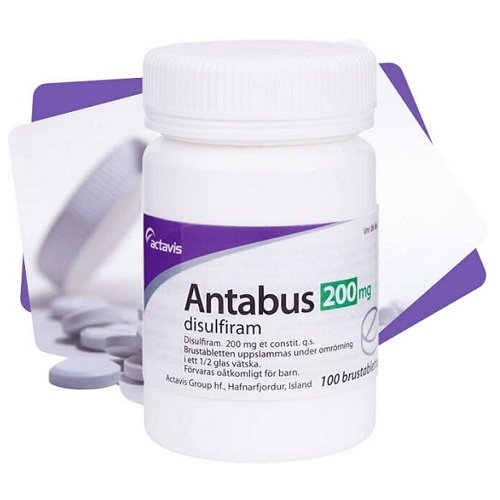
| Medication Name | Antabuse |
|---|---|
| Main Compound | Disulfiram |
| Intended Use | Treatment and relapse prevention for alcohol dependence |
| Strengths Supplied | 200 mg, 400 mg tablets |
| How Quickly It Acts | Begins working within 12 hours after first dose |
| Effect Duration | Up to 1-2 weeks after last dose |
| Prescribing Rules in UK | Prescription required; regulated by the Medicines and Healthcare products Regulatory Agency (MHRA) |
| Typical Use Pattern | Daily intake |
| Food and Drink Considerations | Must avoid all forms of alcohol (even in food, medicines, toiletries) |
Antabuse for alcohol dependence — guide for United Kingdom
Antabuse is a prescription-only medication, based on the active substance disulfiram, that is licensed in the United Kingdom for the treatment and prevention of relapse in alcohol dependence. It is available legally for those who need medical support to stop drinking, and its use is governed by national regulations to ensure safety.
Alcohol dependence: understanding the scale and why you are not alone
Alcohol dependence is a recognised medical condition — not a failure of willpower. According to the Office for National Statistics (ONS), in 2022, it was estimated that over 600,000 adults in England alone were dependent on alcohol, while the World Health Organization (WHO, 2022) identified harmful alcohol use as a leading cause of preventable illness across Europe. The NHS and UK addiction treatment services see thousands of new referrals each year for support with alcohol problems. If you are struggling, you are not alone, and effective help is available.
How Antabuse works: the mechanism and what it means for you
Antabuse (disulfiram) changes the way your body processes alcohol. Normally, when you drink, your liver breaks down alcohol into acetaldehyde, and then quickly converts that into harmless substances. Disulfiram blocks the second step, causing acetaldehyde to build up if alcohol is consumed. This results in unpleasant reactions — flushing, nausea, throbbing headache, palpitations, and sometimes severe discomfort — lasting as long as alcohol remains in your system. Because this effect starts within 10–30 minutes of any alcohol intake and can persist for up to 2 weeks after stopping Antabuse, it acts as a powerful deterrent.
- Physiological effect: Disulfiram disables the enzyme (aldehyde dehydrogenase) responsible for clearing acetaldehyde, making even small amounts of alcohol trigger noticeable and rapid symptoms.
- Practical outcome: This “deterrent effect” helps you avoid drinking by linking alcohol use with immediate, memorable discomfort rather than its usual pleasurable effects.
The deterrent is purely physical — it does not stop craving or withdrawal on its own, but it provides a strong reason to avoid alcohol when motivation is low. Clinical studies and NHS guidelines agree that Antabuse is most effective as part of a comprehensive support plan, including psychological and social interventions.
Who does Antabuse suit — and who should consider other options?
| Situation | Is Antabuse suitable? | Explanation |
|---|---|---|
| You are highly motivated to stop drinking and want a clear physical barrier to relapse | Yes | Antabuse provides a consistent deterrent that supports strong motivation |
| You have frequent social or work events where alcohol is present and resist temptation is difficult | Often | The immediate negative reaction to alcohol helps prevent “just one drink” moments |
| You have not responded to, or cannot tolerate, other relapse-prevention medications (e.g., acamprosate, naltrexone) | Yes | Antabuse is a mechanistically different option, especially if alternatives caused side effects |
| You have significant liver, kidney, heart, or mental health conditions | No | Disulfiram can worsen these issues — an alternative should be considered following medical advice |
| You may not be able to avoid accidental alcohol exposure (hidden in food, medicines, toiletries) | Not advised | Even trace alcohol can trigger the reaction, so Antabuse is risky unless such exposures can be controlled |
| You are pregnant or planning pregnancy | Not recommended | Safety is uncertain in pregnancy — other strategies are advised |
In summary, Antabuse is best for those who are committed to abstinence and can reliably avoid all alcohol, even in unexpected forms. It is not a good fit for people with certain health conditions, or where accidental alcohol exposure cannot be avoided. If you are unsure, your GP or an addiction specialist can help clarify whether it is appropriate for your situation.
How to take Antabuse: practical guidance for daily life
Antabuse is typically prescribed as a once-daily tablet, usually 200 mg, taken with water in the morning. The starting dose and adjustments should be made by a doctor, based on your medical history and response. You must have stopped drinking for at least 24 hours before your first dose, to prevent severe reactions.
- With or without food: Tablets can be taken with or without meals, though some people find it easier on the stomach with food.
- What to avoid: All sources of alcohol — including in mouthwash, cough syrups, cooking extracts, and even aftershave. Read product labels carefully.
- If you miss a dose: Take it as soon as you remember if it’s the same day; if you miss by more than a day, speak to your prescriber before restarting, as the deterrent effect may have faded.
- If it “doesn’t work”: If you accidentally consume alcohol and do not feel a reaction, do not increase your dose. Instead, inform your medical provider; some factors (dose timing, metabolic differences) may require review.
- What’s normal: Mild tiredness, headache, or a metallic taste can occur, especially in the first weeks. These usually settle without intervention.
You will be advised to carry an information card or medical alert, so emergency services are aware you may react severely to alcohol exposure. Regular check-ins with a healthcare provider are recommended to monitor liver function and discuss challenges during treatment.
Is Antabuse safe for you? Contraindications explained
Antabuse is not suitable for everyone. It is contraindicated in certain groups because risks outweigh benefits:
- Severe liver disease: Disulfiram can stress the liver, so those with active hepatitis, cirrhosis, or abnormal liver enzymes are at increased risk of liver failure.
- Heart disease: Because Antabuse can cause changes in blood pressure and heart rhythm, people with coronary artery disease or uncontrolled hypertension should avoid it.
- History of psychosis: Antabuse may worsen psychiatric symptoms, especially in those with previous episodes of severe mental illness.
- Severe kidney impairment: The medication is processed by the liver and excreted through the kidneys; significant kidney disease can increase toxicity risk.
- Pregnancy and breastfeeding: Safety data is insufficient, so it should not be used unless clearly indicated and discussed with a specialist.
These exclusions are for your safety. If you have any of these conditions, your doctor will suggest safer alternatives. If you are unsure, a simple set of blood tests and a medical history review can clarify suitability.
Side effects: what to expect, what is serious, and when to seek help
-
Common and usually mild:
- Metallic or garlic-like taste in the mouth
- Drowsiness or tiredness
- Mild skin rash
- Occasional mild headache
-
Less common, may require medical advice:
- Liver function abnormalities (detected on routine blood tests)
- Numbness or tingling in hands/feet
- Visual changes or severe mood disturbances
-
Rare but serious, requiring urgent attention:
- Persistent vomiting or yellowing of the skin/eyes (signs of liver injury)
- Chest pain, palpitations, or severe breathlessness
- Severe allergic reaction (swelling, difficulty breathing, hives)
Deliberate or accidental overdose of Antabuse can cause confusion, psychosis, or liver damage. Suspected overdose or severe reaction is a medical emergency and should prompt urgent hospital assessment.
Interactions and what to watch out for
Because Antabuse affects alcohol metabolism, any product containing alcohol — including topical preparations, hand gels, or some medications — can trigger a reaction. Additionally, some medicines interact with disulfiram:
- Metronidazole or similar antibiotics: Can lead to confusion or psychosis if combined with Antabuse.
- Phenytoin and certain antidepressants: Disulfiram may increase their blood levels, raising side effect risks.
- Warfarin: Dose adjustments may be needed, as Antabuse can affect blood clotting times.
Always provide a full list of your medications to your prescriber and pharmacist. Over-the-counter products, herbal remedies, or supplements should be checked for compatibility before use.
Comparing Antabuse with other treatments: strengths and limits
| Medication | Main Action | Best for | Limitations |
|---|---|---|---|
| Antabuse (Disulfiram) | Deterrent: causes physical reaction if alcohol is consumed | People committed to abstinence who want an “insurance policy” against relapse | Requires total avoidance of alcohol in all forms; not suitable with certain medical conditions |
| Acamprosate | Reduces craving and withdrawal symptoms | Those who need help controlling urges but can avoid alcohol without a deterrent | No reaction with alcohol; less effective if abstinence is not achieved first |
| Naltrexone | Blocks pleasure/reward from drinking | People who struggle with “binge” patterns or who cannot commit to full abstinence | Not suitable for those with opioid use; can cause mood changes |
Antabuse is unique among relapse-prevention medications by directly linking alcohol consumption with a physical deterrent effect. For some, this is highly effective; for others, especially those with access to alcohol in unpredictable situations or with certain health problems, acamprosate or naltrexone may be safer and more flexible. Your healthcare provider can help weigh the benefits and limitations in the context of your health profile, goals, and daily life.
What you will actually pay: cost breakdown for Antabuse in the UK
| Cost item | Amount | Note |
|---|---|---|
| GP or private doctor consultation | £0 (NHS) – £80 (private) | NHS is free; private clinics charge a fee |
| Prescription fee | £9.65 (NHS England standard) | Per item; NHS exemptions apply |
| Medication itself (Antabuse 200 mg) | £15 – £40/month (private pharmacy) | NHS prescriptions may be subsidised; private price varies by supplier |
| Delivery (optional, private pharmacy) | £3 – £10 | Standard vs. express courier; NHS does not deliver |
| Total | £9.65 – £130/month | Lower end: NHS; Higher end: private route with home delivery |
If you use the NHS, most people pay only the standard prescription charge, unless exempt. Private online pharmacies may help with privacy and convenience but at a higher cost. Always check that the provider is registered with the General Pharmaceutical Council (GPhC) and that a UK prescription is required — this protects you against counterfeit products and ensures you are receiving licensed medication.
What remains unclear? Addressing final uncertainties about Antabuse
“Can I buy Antabuse without seeing a doctor in the UK?”
In the United Kingdom, Antabuse is classified as a prescription-only medicine by the MHRA. While some online pharmacies may offer Antabuse, selling it without a prescription is not legal or safe. A proper assessment is required to ensure you do not have medical conditions that would make use dangerous, and to confirm that Antabuse is the best match for your needs. Genuine UK online pharmacies will always require a valid prescription and may offer an online consultation with a qualified prescriber.
If you have further questions about alcohol dependence medication options, eligibility, or safe purchase routes, most NHS services, addiction charities, and registered pharmacists can provide confidential, non-judgemental advice.